The Economic Impact of Hygiene Poverty in the U.S.

Hygiene Poverty Impact US

Hygiene poverty is often described as a hidden crisis, but its economic impact on families, schools, workplaces, and communities across the United States is significant and measurable.

When people cannot afford everyday essentials like deodorant, shampoo, laundry detergent, or feminine hygiene products, the consequences extend far beyond personal comfort. Hygiene poverty affects school attendance, workforce participation, health outcomes, and long-term economic stability.

That’s why access to basic hygiene products is increasingly recognized as a public health issue, an education issue, and an economic issue, not just a personal one.

Organizations like Giving the Basics, a leading hygiene charity, are working to ensure access to these essentials so students and families can fully participate in school, work, and community life. Learn more about hygiene poverty here: Learn about hygiene poverty

What Is Hygiene Poverty?

Hygiene poverty is the inability to afford basic personal care and household cleaning products necessary for health, dignity, and full participation in daily life. These items include soap, toothpaste, deodorant, menstrual products, diapers, toilet paper, and laundry detergent.

Unlike food or medical care, most hygiene essentials are not covered by federal assistance programs such as SNAP or WIC, leaving families to purchase them out of already stretched household budgets.

According to research from Feeding America, families experiencing financial hardship frequently struggle to afford essential non-food household goods such as personal care and cleaning supplies: Read Feeding America’s material hardship findings

This gap creates a ripple effect that impacts nearly every area of life.

The Scope of Hygiene Poverty in the United States

Hygiene poverty affects far more households than most people realize.

According to the U.S. Census Bureau, more than 35 million Americans live below the federal poverty line, placing everyday hygiene essentials out of reach for many households.

Research from the National Diaper Bank Network shows:

  • 1 in 2 U.S. families with young children struggle to afford enough diapers
  • Nearly 1 in 4 parents miss work or school because they cannot access diaper supplies

Learn more about diaper need in the U.S.: Read Feeding America’s material hardship findings

Because hygiene poverty is rarely tracked as its own category of hardship, experts widely agree its true scale is underestimated nationwide.

How Hygiene Poverty Affects Students and Schools

One of the most immediate economic impacts of hygiene poverty appears in education.

Students without access to hygiene products often miss school due to embarrassment, lack of clean clothing, or inability to manage menstrual needs.

According to federal attendance research summarized by Attendance Works and the Everyone Graduates Center, more than 1 in 4 students nationwide are chronically absent: Read national chronic absenteeism analysis

The U.S. Department of Education reports that chronic absenteeism, defined as missing 10% or more of school days, has serious long-term academic consequences including reduced literacy outcomes and graduation likelihood: U.S. Department of Education chronic absenteeism overview

Access to laundry support can significantly improve attendance. Programs like Whirlpool Care Counts™ demonstrate that providing laundry access helps improve student attendance and classroom participation.

Menstrual hygiene access is another major factor affecting attendance. Research from the Alliance for Period Supplies shows nearly 1 in 4 students who menstruate struggle to afford period products.

When students miss school:

  • academic performance declines
  • classroom participation drops
  • graduation likelihood decreases
  • long-term earning potential is reduced

These outcomes create ripple effects that extend beyond classrooms into workforce readiness and long-term economic mobility.

Access to hygiene products isn’t just a health support, it’s an education strategy.

The Workforce Impact of Hygiene Poverty

Hygiene poverty also affects employment outcomes across the country.

Maintaining a clean appearance is essential for job interviews, workplace participation, and career advancement. Without access to hygiene products, adults may struggle to secure employment or maintain stable jobs.

According to research from the National Diaper Bank Network, parents without reliable diaper access miss an average of four days of work per month because childcare providers typically require families to supply diapers.

Addressing hygiene poverty is therefore not only compassionate, it is economically strategic.

The Healthcare Costs of Hygiene Poverty

When people lack access to hygiene products, preventable health issues increase.

The Centers for Disease Control and Prevention (CDC) identifies handwashing with soap as one of the most effective ways to prevent the spread of infectious disease and protect community health.

Learn more from the CDC about hygiene and disease prevention: U.S. Department of Education chronic absenteeism overview

Poor hygiene access can contribute to:

  • skin infections
  • respiratory illness
  • gastrointestinal disease
  • dental complications

These conditions increase healthcare utilization and create additional costs for families and public health systems.

Something as simple as access to soap can significantly reduce illness and improve overall community wellness.

The Economic Burden on Families

For families already balancing rent, groceries, transportation, childcare, and medical expenses, hygiene products are often the first necessity forced out of the budget.

According to the Bureau of Labor Statistics Consumer Expenditure Survey, households with the lowest incomes spend a significantly larger share of their income on essential goods than higher-income households.

The National Diaper Bank Network estimates diapering alone costs families $80-$100 per month per child, creating a substantial barrier to employment and childcare access.

Research from the Alliance for Period Supplies also shows many individuals report choosing between purchasing menstrual products and purchasing other necessities such as food or transportation.

These tradeoffs affect:

  • household stability
  • parental employment
  • mental health
  • children’s wellbeing
  • long-term financial security

Hygiene poverty is not simply a personal challenge, it is a structural economic barrier affecting millions of families across the United States.

Why Hygiene Charities Matter More Than Ever

Because hygiene products are excluded from federal assistance programs, hygiene charities play a critical role in filling the gap.

A hygiene charity does more than distribute products. It restores dignity, improves school participation, supports workforce readiness, and strengthens community health outcomes.

How Giving the Basics Is Changing the Economic Story of Hygiene Poverty

Giving the Basics exists to remove hygiene as a barrier to opportunity.

As America’s Hygiene Hub, Giving the Basics has distributed over 36 million hygiene products to more than 3.6 million people through a nationwide partner network of schools, shelters, police departments, senior centers, and community organizations.

This model creates measurable economic impact by:

  • improving school attendance
  • supporting workforce readiness
  • reducing preventable health risks
  • strengthening family stability
  • helping communities respond to rising living costs

A Simple Solution With Powerful Economic Impact

Solving hygiene poverty does not require complicated systems. It requires awareness, partnership, and action.

When communities support a hygiene charity like Giving the Basics, they are investing in student success, workforce participation, public health, and economic stability.

Access to hygiene is access to opportunity.

Get involved today at GivingtheBasics.org and help ensure every student and family has the basics they need to thrive.

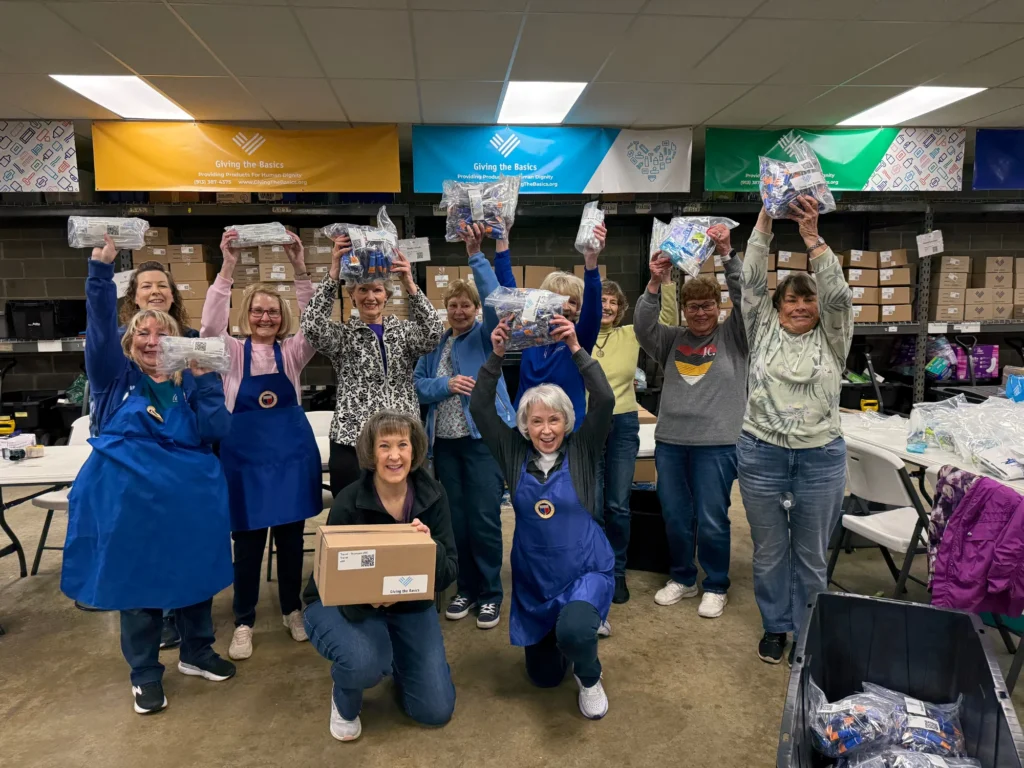
Thank You to the Volunteer Teams Supporting Local Students

March 2026 Volunteers
GFWC Nu-Era Study Club Volunteers

In March, something powerful happened inside the Giving the Basics Kansas City warehouse.

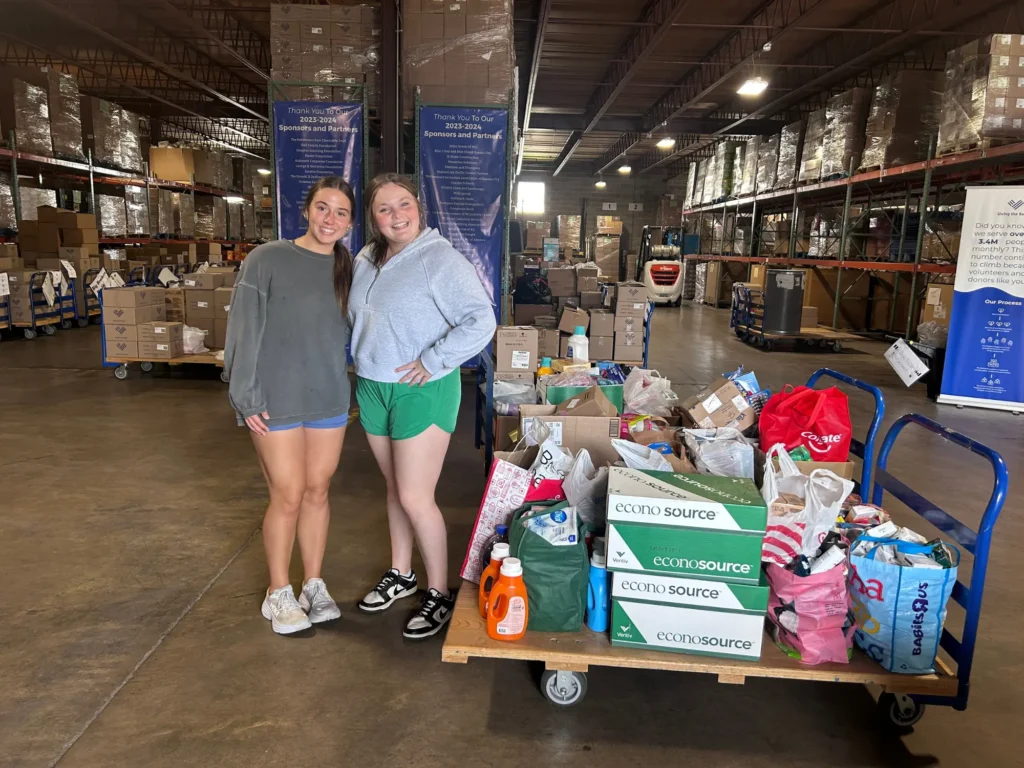
Twenty-four corporate and community volunteer groups showed up ready to serve. Together, 323 volunteers gave 492 hours of their time to help pack hygiene supplies for students across our region. Their work is already making a difference. It’s helping fuel the momentum behind our Spring Showers campaign, which aims to provide 300,000 hygiene items to local schools before the end of the school year.

This kind of impact only happens when a community comes together.

Volunteers Make School Support Possible

Blue Valley North Heart Works Volunteers

BVN Heart Works Volunteers

Every hygiene box packed represents something bigger than a product.

It represents:

  • a student walking into class with confidence
  • a counselor able to meet a need immediately
  • a teacher seeing improved focus and participation
  • a family receiving relief during a difficult season

When volunteers step into the warehouse, they become part of a system that helps ensure school hygiene shelves stay stocked across hundreds of partner schools.

Their time translates directly into access for students who need the basics to succeed.

24 Volunteer Teams Showing Up for Students

U-of-Memphis Volunteers

University of Memphis Volunteers

Throughout March, volunteer teams from businesses, universities, faith communities, and civic organizations worked side by side to prepare shipments of essential hygiene items like deodorant, shampoo, and feminine hygiene products.

These teams didn’t just pack boxes. They strengthened a network of support that helps schools respond quickly when students need help most.

One volunteer from the University of Memphis Alternative Break Experience shared:

“I feel inspired! Giving the Basics is doing such incredible work! I am so grateful to have been a part of the process even if it was in a small way. I am so thankful! I pray y’all continue growing and helping.”

Responses like this remind us that volunteering creates impact in two directions—it supports students and inspires the people who serve.

Thank You to Our March Volunteer Teams

Kompass Kaptial Volunteers

Kompass Kapital Volunteers

We are incredibly grateful to the 24 volunteer groups who joined us in March to support students by packing hygiene supplies in our Kansas City warehouse. Your time, teamwork, and energy helped move essential products closer to the schools and students who rely on them every day.

Each volunteer shift helped strengthen our ability to stock hygiene shelves across partner schools and support the success of our Spring Showers campaign, ensuring students can finish the school year with the basics they need.

A Community Effort That Changes Lives

Right now, volunteers are playing a key role in helping Spring Showers succeed.

Spring Showers is a community-wide effort to provide 300,000 hygiene items to students before the school year ends. While businesses are running drives and community partners are amplifying awareness, volunteers are helping ensure those donated products move quickly and efficiently to schools.

Exceptional Humans Volunteers

Exceptional Humans Volunteers

Packing supplies today means shelves are stocked tomorrow. That connection between volunteers and students is what turns generosity into real, measurable support.

Stocking hygiene shelves in schools doesn’t happen automatically. It takes coordination, partnerships, and volunteers willing to step in and help make it happen.

Every hour served in March helped prepare shipments that schools rely on every week. Together, these 24 volunteer teams helped strengthen a system that supports students’ confidence, attendance, and ability to focus in the classroom.

And they are part of something bigger than a single day of service. They are part of a community making sure students have the basics they need to thrive.

Join the Volunteer Community Supporting Students

Henderson Volunteers
ANS Volunteers
ANS Volunteers
Stella Mariis Volunteers
Central Bank of KC Volunteers
Oasis Volunteers
Oasis Volunteers
Summit Homes Volunteers
Larson Financial Volunteers
KCNC Volunteers
KCNC Volunteers
Laminate Works Volunteers
KCYM Volunteers
KCYM Volunteers

If you’ve ever considered volunteering with your coworkers, classmates, or community group, this is a meaningful and hands-on way to make a difference locally.

Whether you join during Spring Showers or later in the year, your time helps ensure students have access to the essentials they deserve.

Learn how your group can get involved at www.GivingtheBasics.org/volunteerkc

A Special Thank You To:

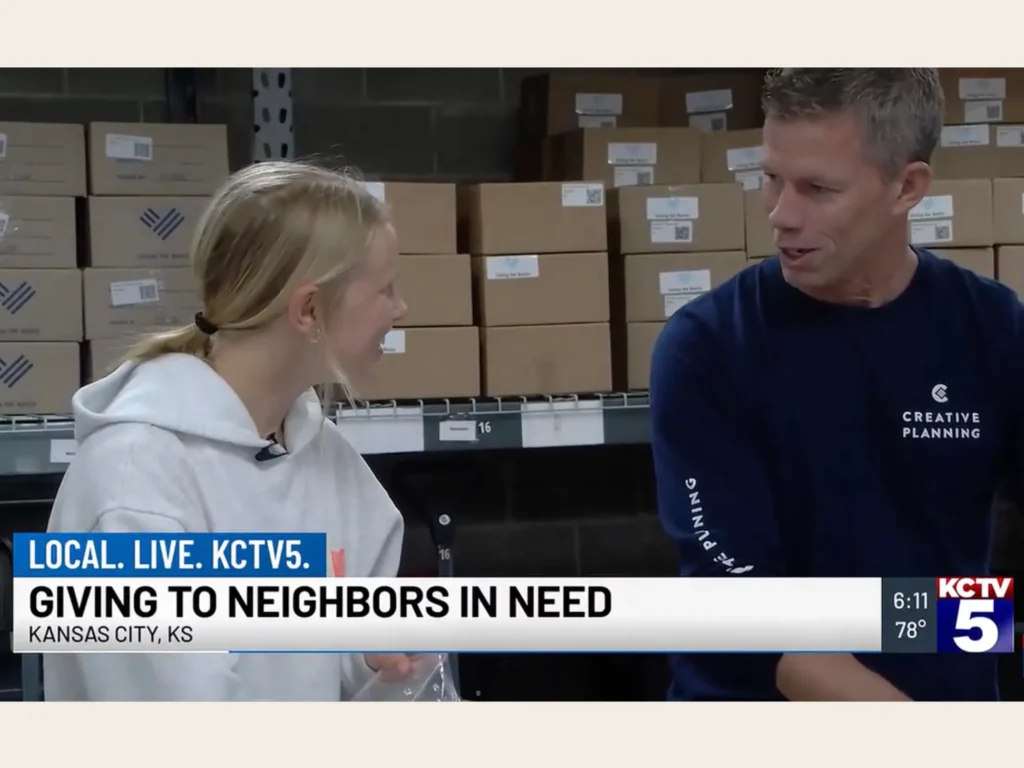
KCTV5 News Student Volunteering Story

🎥 Watch the story from KCTV5 and see the impact volunteering makes.

A high school student who volunteered with us this weekend shared something simple but powerful:

“I get to help the community and others who aren’t as fortunate.”

Students understand what it means when someone their age has access to shampoo, deodorant, and other basics—and when they don’t. That’s why it’s so inspiring to see young people stepping up to support their peers.

More than 100 volunteers came together to pack hygiene essentials for local families—items government assistance programs don’t cover, but students need every day to feel confident at school.

Want to be part of it? Sign up to volunteer with us.

How Hygiene Support Helps Students Feel They Belong

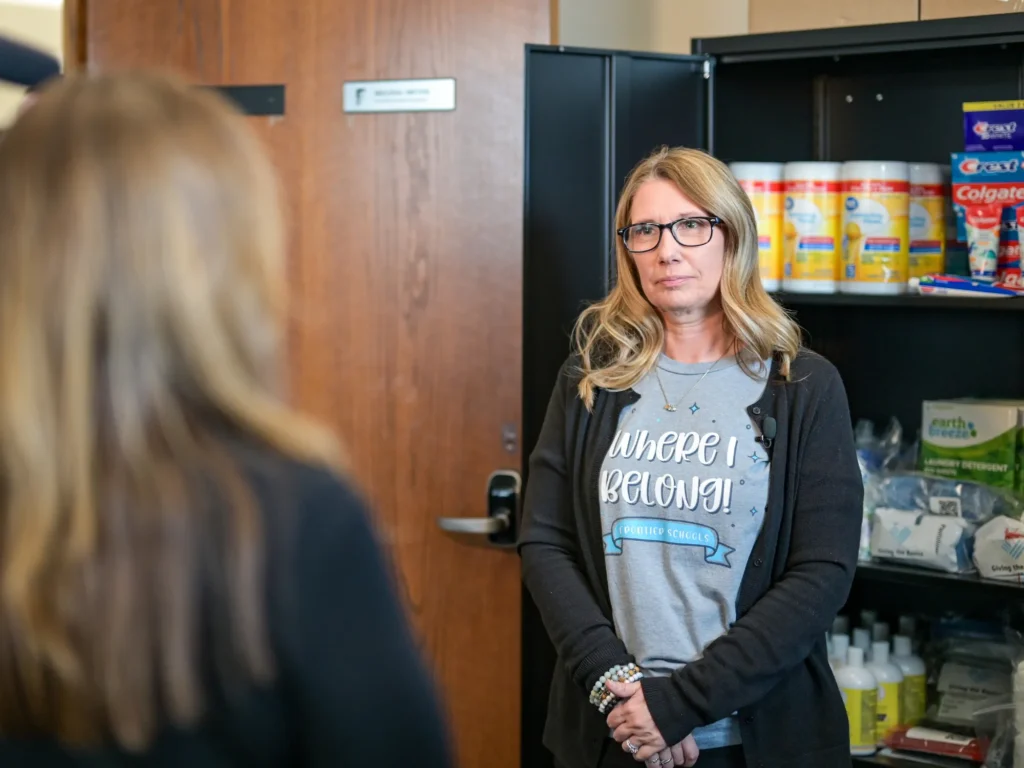
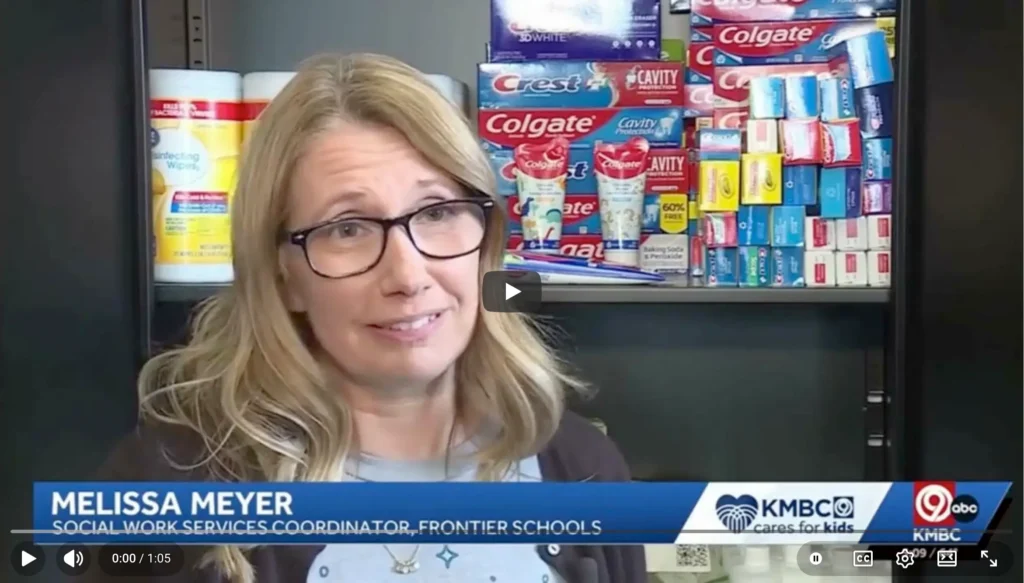
Every student deserves to feel confident, included, and ready to learn. In this ‪@KMBC‬ 9 News story, a school social worker shares how something as simple as access to shampoo, deodorant, or a clean uniform can make a world of difference in a child’s confidence and sense of belonging.

Through Spring Showers, Giving the Basics is helping ensure students across our community have the essentials they need to thrive.

Be part of the effort and donate today. Because belonging starts with the basics. 💙

How to Start a Community Hygiene Drive at Your School

Community Hygiene Drive

A Step-by-Step Guide to Hosting a Successful Charity Drive

Starting a charity drive at your school is one of the most impactful ways to bring students, staff, and families together while meeting a real need in your community. With the right approach, your school can help provide hygiene items for schools, ensuring students have access to the basic products they need to feel confident and ready to learn.

And the best part? What starts as a simple drive can turn into something much bigger.

A Decade of Impact: What’s Possible

At St. James Academy, a hygiene charity drive that began nearly 10 years ago as a fun competition has grown into a powerful annual tradition. Each year, students rally together to collect essential items like soap, deodorant, and shampoo, products many families struggle to afford because they are not covered by assistance programs.

One St James student shared:

“It really hit me how important these basic items are,” she said. “I’ve always had them, so it was humbling to realize not everyone does. It made me super grateful for what I have.”

The impact is real and long lasting. By pitching in, students learn what it means to look beyond themselves and care for others. It’s a powerful lesson that builds empathy, generosity and humility — all things they want their students to carry with them for life.

“The drive challenges our students to develop an outward-focused perspective, to think outside their own struggles and pay attention to the basic needs of others,” said Dr. Wendy León-Ryan, director of culture and engagement at St. James.

That’s the power of engaging students in giving back—it’s not just about the products that get donated. It’s about the ability to provide dignity and confidence to others.

Why Start a Hygiene Charity Drive?

A school-based charity drive is one of the most meaningful ways students can support other students in their own community. When schools come together to collect essential items like shampoo, soap, deodorant, and toothpaste, they help ensure that classmates and peers across neighboring districts have the basics they need to feel confident and ready to learn each day.

Access to hygiene products affects far more than physical cleanliness. Without these essentials, students may hesitate to participate in class, avoid social situations, or withdraw from activities they once enjoyed. Confidence can drop quickly when a student feels self-conscious about something they cannot control, and unfortunately, hygiene insecurity can also increase the risk of teasing, bullying, and stigma.

A hygiene charity drive helps remove these barriers in a simple but powerful way. It allows students to show up prepared, focus on learning instead of worrying about their appearance, and feel included alongside their peers. Just as importantly, organizing a drive teaches participating students the value of empathy, teamwork, and service. It creates a shared opportunity to look beyond themselves and recognize how small actions, like donating a single item, can make a lasting difference in someone else’s day.

When schools lead efforts like this, they don’t just collect products, they build stronger communities and help ensure every student has the chance to walk into class with confidence.

Step-by-Step: How to Start a Charity Drive at Your School

  1. Partner with a Trusted Organization

    Work with a group like Giving the Basics to ensure donations are distributed effectively to local students and families. Sign up for a Giving the Basics Drive.

  2. Choose What to Collect

    Often, groups enjoy assembling hygiene kits for schools because it feels hands-on and personal. While the intention is wonderful, pre-packed kits aren’t always the most effective way to get the right products to the students who need them most. Needs vary from school to school. Some may urgently need deodorant, while others need laundry detergent or feminine hygiene products.

    Instead of hygiene kits, focus on high-need essentials like:

    • Shampoo
    • Deodorant
    • Soap
    • Toothpaste & toothbrushes
    • Laundry detergent
    • Feminine hygiene products
  3. Set a Clear, Motivating Goal

    Give your charity drive a target:

    • Collect 10,000 items
    • Support 200 students with hygiene kits

    Clear goals create excitement and help track success.

  4. Create a School-Wide Competition

    One of the biggest reasons St. James’ drive has been so successful? Friendly competition.

    Try:

    • Grade vs. grade challenges
    • Homeroom competitions
    • Clubs or teams competing

    Incentive Ideas:

    • Dress-down day
    • Extra recess or free period
    • Pizza party
    • School-wide recognition or trophy

    At St. James, students even earned points toward their school-wide “Thunder Cup,” making participation fun and meaningful.

    Competition drives engagement and turns your charity drive into something students want to be part of.

  5. Promote Your Drive Effectively

    Promotion is key to a successful charity drive.

    Use multiple channels:

    • Morning announcements
    • School newsletters
    • Social media posts
    • Posters and flyers in hallways
    • Emails to parents

    Messaging tips:

    Keep it simple and impact-focused:

    • Help provide hygiene items for schools in our community.
    • Every item helps a student feel confident at school.

    You can also share real stories, provided by Giving the Basics, to make the need more tangible.

  6. Make It Easy to Participate

    The easier it is to give, the more successful your drive will be.

    Offer:

    • Clearly labeled donation bins
    • A simple list of requested items
    • An online donation option
  7. Celebrate and Share the Impact

    At the end of your charity drive, celebrate what your school accomplished:

    • Total items collected
    • Total dollars raised
    • Winning grade or team

    At St. James, students collected 17,784 items, a powerful example of what’s possible when a community comes together.

    Celebrating success builds pride and often turns a one-time drive into a lasting tradition.

Start Your Hygiene Drive Today

Your school has the power to make a real difference.

By organizing a charity drive and helping provide hygiene items for schools, you’re not just collecting items, you’re restoring dignity and creating opportunity for students in your community.

Start small. Make it fun. Build momentum.

You never know, your drive could become the next decade-long tradition that changes lives.

Learn more and sign up here: https://givingthebasics.org/host-a-dignity-drive-kc/

Spring Showers For Dignity Drive

Spring Showers For Dignity Drive

Helping 300,000 Essential Items Reach Local Students Before the School Year Ends

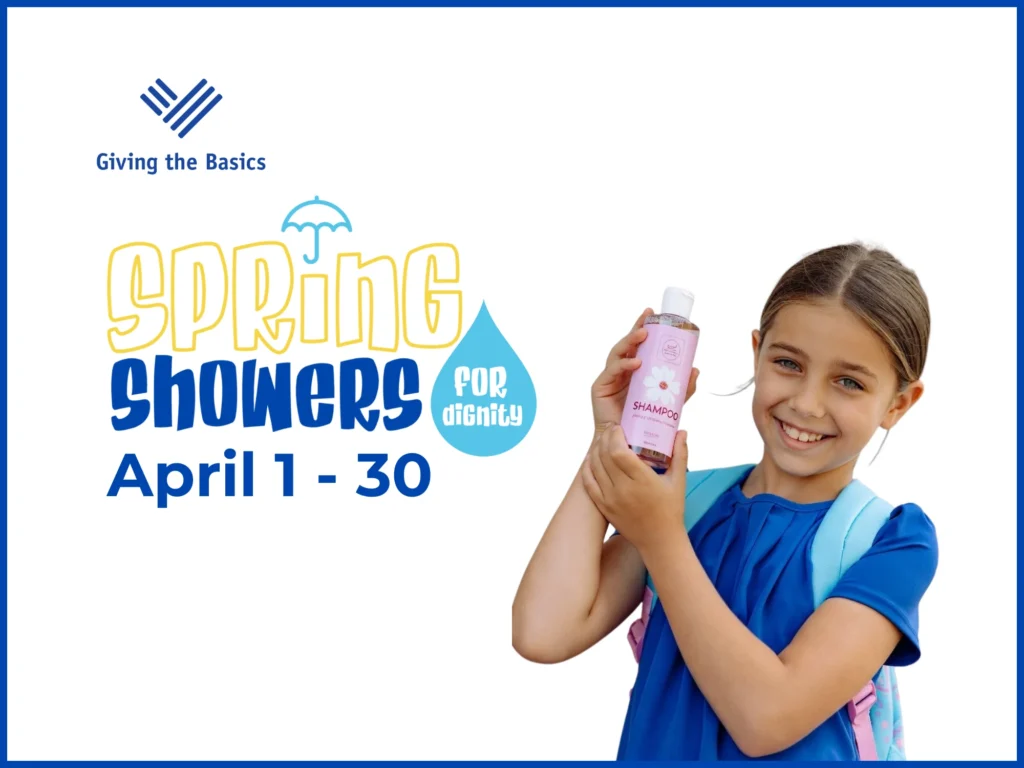
As the school year winds down, thousands of students across our community are still facing a challenge that too often goes unseen: hygiene poverty. That’s why this April, Giving the Basics is hosting Spring Showers For Dignity, a community-wide effort to provide 300,000 essential hygiene items to local schools so students can finish the year feeling confident, prepared, and supported.

Because when students have access to basic hygiene items like deodorant, shampoo, feminine hygiene products, and laundry detergent, they’re better able to focus on what matters most—learning.

What Is Hygiene Poverty—and Why It Matters for Students

Hygiene poverty happens when individuals or families cannot afford everyday personal care items that many of us take for granted. For students, this can lead to embarrassment, bullying, missed school days, and decreased participation in activities like gym class or group work.

Teachers and counselors regularly share stories about students who avoid raising their hands, skip school events, or withdraw socially simply because they don’t have access to basic hygiene products. These items aren’t luxuries. They’re essentials that help students feel confident and ready to learn.

Spring Showers is about changing that—together.

A Community Effort to Deliver 300,000 Items

Reaching 300,000 hygiene items in just one month takes a community.

This year, 23 local businesses are stepping up in a big way—rallying their teams, hosting internal drives, and competing with one another to collect the most hygiene items for students. Their leadership is helping build momentum across workplaces throughout the region.

And the best part? It’s not too late for your business to join the challenge. Hosting a drive or making a team gift is a powerful way to engage employees while making a direct impact on students in local schools. You can sign up here.

Community Partners Amplifying the Mission

Spring Showers is stronger because of partners who are helping spread the word and invite the entire community to participate.

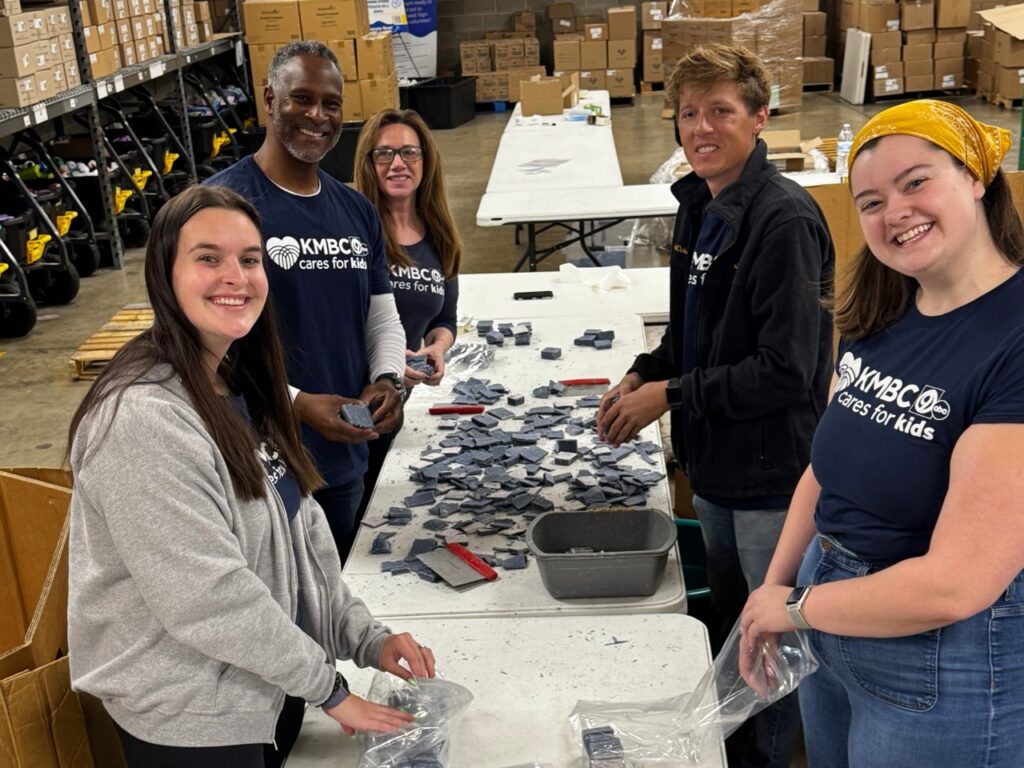
Throughout April, KMBC 9 Cares for Kids will be amplifying the Spring Showers campaign and encouraging viewers across the region to support students by donating essential hygiene products.

In addition, Life 88.5 is hosting multiple drop-off events throughout the month, giving community members easy opportunities to contribute items and be part of the movement.

Together, these partners are helping ensure more students can finish the school year with the basics they deserve.

How Your Gift Helps Students Right Now

Every donation makes an immediate and meaningful difference for students in local schools.

Here’s what your support can provide:

  • $10 can provide 10 sticks of deodorant
  • $25 can provide 17 bottles of shampoo
  • $50 can provide a month’s worth of feminine hygiene products for 10 students
  • $100 can provide laundry detergent sheets for 10 students

These simple items restore confidence, support attendance, and help students participate fully in school during the final months of the academic year.

Help Students Finish the Year Strong

Spring Showers is about more than hygiene products. It’s about dignity. It’s about confidence. And it’s about making sure students don’t miss out on opportunities simply because they lack access to the basics.

With the help of local businesses, media partners, and community members like you, we can reach our goal of delivering 300,000 hygiene items to students before the school year ends.

Make your gift today and help students finish the year fully stocked with the essentials they need.

Make a donation here

How Hygiene Poverty Impacts Job Seekers

Hygiene Poverty Job Seekers

How a Hygiene Charity Helps Remove Barriers to Employment

For many job seekers, preparing for an interview means reviewing a resume, practicing answers, and choosing professional clothing. But for millions of Americans, there is another challenge that often goes unseen: access to basic hygiene products.

Soap. Shampoo. Deodorant. Laundry detergent.

These everyday essentials play a significant role in how people present themselves professionally. Yet for families experiencing financial hardship, these items can be difficult to afford. That is where a hygiene charity like Giving the Basics steps in – helping ensure that access to hygiene does not become a barrier to employment.

What Is a Hygiene Charity?

A hygiene charity is a nonprofit organization dedicated to ensuring people have access to essential personal care products that support health, dignity, and daily living.

While food banks address hunger, hygiene charities address another critical but often overlooked need: hygiene poverty. Many essential items – such as soap, shampoo, deodorant, toothpaste, and feminine hygiene products – are not covered by government assistance programs like SNAP. That means families facing financial hardship must purchase these items out of already stretched household budgets.

Hygiene charities help bridge this gap by collecting and distributing essential products through community networks such as:

  • Schools
  • Food pantries
  • Shelters
  • Senior centers
  • Community service organizations

By partnering with these trusted local organizations, hygiene charities ensure products reach people where they already seek support. The goal is simple but powerful: to make sure no one has to go without the basics needed to feel clean, confident, and respected.

The Overlooked Barrier: Hygiene Poverty

Hygiene poverty affects millions of Americans every year. According to the U.S. Census Bureau, 35.9 million Americans (10.6% of the population) lived in poverty in 2024. For households struggling to cover housing, food, and utilities, hygiene products often fall lower on the priority list.

Unlike groceries, many essential hygiene items – such as shampoo, deodorant, soap, and toothpaste – cannot be purchased with SNAP benefits. As a result, families must stretch already limited budgets to cover products that most workplaces consider basic expectations.

This gap is exactly why hygiene charities exist: to ensure that people do not have to choose between paying rent and maintaining personal hygiene.

Why Hygiene Matters in the Job Search

When someone is preparing for a job interview, confidence plays a critical role. Feeling clean and well-groomed allows candidates to focus on their skills and experience instead of worrying about their appearance.

Without access to hygiene products, job seekers may face challenges such as:

  • Wearing clothing that has not been washed due to lack of laundry detergent
  • Walking into interviews without deodorant after commuting
  • Feeling self-conscious about personal appearance or hygiene

These concerns can increase stress and anxiety during interviews, making it harder to perform well or communicate effectively.

For many people experiencing financial hardship, access to hygiene products provided through a hygiene charity can make the difference between walking into an interview with confidence – or not pursuing the opportunity at all.

Hygiene and Workplace Success

The need for hygiene products does not end once someone gets hired.

Maintaining employment often requires:

  • Clean uniforms or work clothing
  • Daily grooming and hygiene
  • Meeting workplace appearance standards

Without reliable access to hygiene essentials, individuals may struggle to keep up with these expectations. This means hygiene poverty can impact both job access and job retention.

By providing these essentials, hygiene charities help support long-term stability – not just short-term relief.

How a Hygiene Charity Helps Restore Opportunity

Hygiene charities play a critical role in supporting individuals who are working toward economic stability.

Access to basic hygiene products helps job seekers:

  • Feel confident during interviews
  • Meet workplace appearance standards
  • Maintain dignity and self-respect
  • Focus on building their careers instead of worrying about basic needs

These small but meaningful supports can create ripple effects that improve employment opportunities and overall well-being.

How Giving the Basics Is Addressing Hygiene Poverty

As a leading hygiene charity, Giving the Basics works to ensure that essential hygiene products reach individuals and families who need them most.

Through partnerships with schools, food pantries, shelters, and community organizations, Giving the Basics distributes millions of hygiene products each year, including:

  • Shampoo
  • Soap
  • Deodorant
  • Toothpaste
  • Laundry detergent
  • Feminine hygiene products

This hygiene hub model allows donations to move efficiently from community supporters to people who rely on these essentials every day.

For someone preparing for a job interview or starting a new job, these products can restore confidence and remove a barrier that might otherwise stand in their way.

More Than Hygiene – It Is About Dignity

A bottle of shampoo may seem small. A stick of deodorant may seem ordinary.

But for someone trying to secure employment, these products can represent something much bigger: dignity, confidence, and the ability to pursue opportunity.

Every time a hygiene charity provides these essentials, it helps ensure that individuals are not held back by something as basic as access to soap or laundry detergent.

Because when people have the basics, they can focus on building a better future.

Learn more about hygiene poverty and how you can help: givingthebasics.org

How CBIZ Turned Busy Season into a Season of Giving

CBIZ Case Study

A Partnership with Purpose

At Giving the Basics, we believe generosity grows when people are invited to participate in meaningful ways. Last month CBIZ exemplified this ideal, by challenging interns to lead a company-wide charity drive in support of Giving the Basics.

The goal? Raising $10,000 through an annual competition that blends team building, networking, and real community impact.

For many on the CBIZ team, the cause already felt personal. As accountants who work with Giving the Basics professionally, they understand the organization’s mission in a unique way.

“It’s also really cool that Giving the Basics is a client of ours,” one intern shared. “We do this work for them regularly, and then we actually get to help them in a different sense.”

Networking for Good Drives High Participation

Accountant Career Matchmaker Roxanne Sabatino-Istas has seen the impact of this annual charity drive year after year.

“It boosts morale, strengthens team relationships, and gives employees a shared goal outside of daily responsibilities,” she said. “The interns get very into it. If they ask, people will donate. It’s great for morale, and great for team building and networking.”

For the trainees leading the effort, the experience pushed them to make more connections.

“I think it’s great for us interns to do this,” one participant said. “It gets us out of our comfort zone. The full-time staff expect it every year, and they know we’re supposed to annoy them a little for donations.”

By the end of the month, interns felt more comfortable around the office. Friendly rivalries formed around fundraising totals, and the entire team rallied around a goal larger than their daily work.

Friendly Competition Fuels Charity

Bowling for charity

The campaign concluded with a celebratory gathering at the Fowling Warehouse in Kansas City, where talk of who would be the ‘Top Fundraiser’ buzzed, even over the excited clattering of bowling pins.

“It’s been really fun because my competitive side has come out,” one Intern said. “I’m going against another girl for most individual funds raised. It’s gotten me out of my shell and helped me reach out to more people than I normally would.”

This tradition has become something CBIZ looks forward to every year. More than a single celebration, it’s now part of the company’s culture, showing young professionals that their voices and networks can be used for good.

Bowling for charity

By the end of February, the CBIZ team surpassed their goal, raising over $11,149 through 133 donations. As for their internal competition, the cleverly named “Audit like it’s Hot” intern group claimed gold for most cash collected.

Fueling the Mission

Partners like CBIZ help ensure Giving the Basics can continue distributing essential hygiene products to schools, pantries, shelters, and community organizations.

Every charity drive strengthens our mission to ensure individuals and families have access to the basics they need to live healthy, dignified lives.

Charity drives do even more than raise funds, they help fuel the mission here at Giving the Basics. Each campaign introduces new people to the issue of hygiene insecurity, spreading awareness and growing the number of supporters committed to ensuring everyone has access to the basic products they need.

Considering Hosting a Charity Drive?

Giving the Basics hygiene products on shelves
Giving the Basics helped make participation simple by collecting donations online, even sharing a campaign “thermometer,” which allowed for teams to visually track their progress live throughout the month.

When asked what advice she would give to another company considering a fundraiser, Roxanne’s answer was simple.

“Do it! Especially with an organization that gives so much to the community and fills a need where there’s a void. Just do it… and get employees involved.”

If you’re ready to follow Roxanne’s lead, our upcoming campaign makes it simple to rally your team and make a real impact.

Spring Showers: The Corporate Hygiene Challenge

This spring, hosting your own charity drive has never been easier.

Spring Showers is a ready-to-run campaign designed to bring teams together, raise funds, and help provide essential hygiene products to those in need.

Learn more and sign up today! Join us in stocking the shelves for students this April.