School Nurses Share the Power of Hygiene Access for Students

From Absences to Confidence

School Nurses Share the Power of Hygiene Access for Students

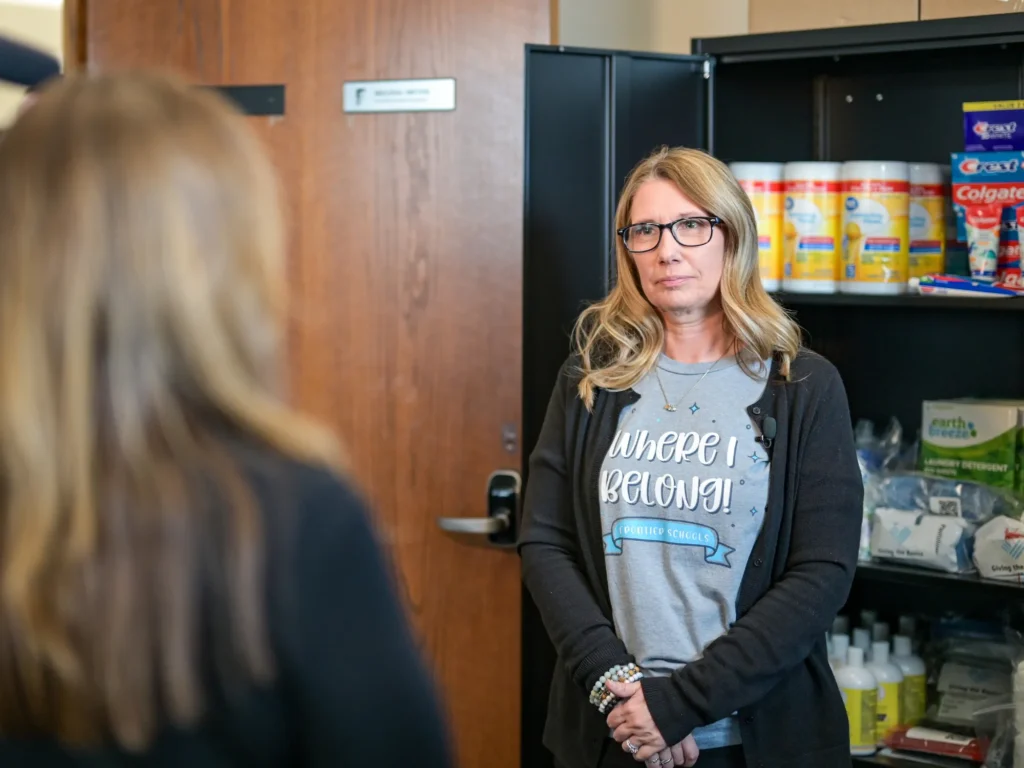
Every day across the region, school nurses quietly solve problems most people never see.

A student afraid classmates will think they have lice.

A child missing class because of an accident and no change of clothes.

A girl staying home during her period.

A family asking if shampoo can be sent home in a backpack.

These moments happen more often than people realize—and they reveal the hidden impact of hygiene poverty in schools.

That’s why access to hygiene for schools matters so deeply. Today, nearly 300,000 hygiene items are reaching students each month, helping school nurses and counselors support students not just academically—but personally, socially, and emotionally.

Here’s what they’re seeing firsthand.

Students Are Missing Fewer Classes

School Hygiene Access

One of the clearest changes school nurses report is improved attendance.

“Students feel more comfortable coming in asking for hygiene assistance. By having these products available for them, we have reduced the number of students leaving because of an ‘accident’ needing to go home to change—which used to result in missing classes.”

Research supports what nurses are seeing. Access to hygiene supplies and hand hygiene support in schools has been shown to reduce illness-related absences by as much as 51% in some school-based interventions.

And when students stay in school, they stay connected—to learning, friendships, and opportunity.

Students Are More Confident Asking for Help

School Hygiene Access

When hygiene products are consistently available, students stop feeling embarrassed about asking.

At Osawatomie USD 367, a nurse shared:

“A student was crying on arrival to school due to bad dandruff. They were out of shampoo at home and scared peers would think they had lice. We were able to help the student wash their hair in the sink and provide the supplies they were out of at home.”

Moments like this change how students experience school. Instead of anxiety, they feel relief. Instead of hiding, they participate.

Students Participate More Fully in School Activities

School Hygiene Access Sports

Access to hygiene items in schools doesn’t just affect attendance—it affects confidence.

School nurses report:

“There has been an increase in students’ participation in sports at recess due to them knowing they can get deodorant from the nurse’s office if they are worried about smelling after.”

They’re also seeing earlier and healthier hygiene habits develop:

“More 4th and 5th graders are using deodorant in general.”

And students are learning preventative care:

“Students were more proactive this winter about their dry skin. They were asking for lip balm and using it before their lips became so cracked and dry that they bleed.”

These small shifts create lasting habits that support both health and self-esteem.

Girls Are Missing Fewer Days During Their Periods

School Hygiene Access Girls

Across the country, nearly one in four teens who menstruate has struggled to afford period products.

That lack of access—known as period poverty—directly contributes to missed school days and lower engagement.

School nurses are seeing the difference access makes immediately.

At Burrton USD 369, staff shared:

“The girls are less likely to be gone during their cycle. They are more open about when they need things also.”

At Spring Hill Elementary USD 230:

“Girls have developed more confidence around coming into the nurse office for pads.”

When products are available without barriers, students stay in class—and feel supported while they’re there.

Families Are Receiving Support Beyond the Classroom

For many districts, hygiene kits for schools help support entire households—not just individual students.

From Jayhawk USD 346:

“We are able to wash students’ clothes that have been worn several days in a row and have a bad odor. I wash students’ clothes every day. Students have hygiene products they can take home and use.”

And families are increasingly reaching out directly for help.

At Burrton USD 369:

“At least a few times a month, families will reach out asking if I can put extra shampoo, soap, feminine hygiene products, toilet paper, or laundry soap in their child’s backpack for take home… it is SUCH a relief to have those items available.”

Access to these essentials reduces stress for caregivers and strengthens the relationship between families and schools.

Hygiene Products Help Prevent Escalating Concerns

Sometimes hygiene support prevents much larger problems.

A school social worker in Kearney explained:

“These hygiene items are key to prevention of hotline calls for concerns of neglect. When teachers express concern that a child is wearing dirty clothes or has poor hygiene, it has been a blessing to offer these products to remedy the concern and not have to get other agencies involved.”

Access to hygiene items at school allows educators to respond with support instead of escalation. That changes outcomes for students—and families.

Schools Are Supporting the Whole Child

At Osawatomie USD 367, staff described their approach this way:

“This program is such a help to our district which is in a low SES community. We provide these products to students and families without question on need. We believe in supporting our students beyond the bell to bell within the classroom. Our support extends beyond our school doors.”

That’s exactly what hygiene access makes possible.

When students feel clean, confident, and prepared, they are more likely to attend school regularly, participate fully, and focus on learning.

And when school nurses have the right tools, they can respond immediately—before small challenges become barriers to success.

Why Hygiene Items for Schools Matter More Than Ever

Hygiene poverty is often invisible—but its effects are not.

It shows up in missed class time.

In reduced confidence.

In families quietly asking for help.

And in students who just want to feel like they belong.

By delivering nearly 300,000 hygiene items to schools each month, communities are helping school nurses and counselors do what they do best: remove barriers so students can thrive.

Because sometimes the difference between missing school and succeeding in it is something as simple as shampoo, deodorant, or a clean shirt.

And sometimes dignity starts with hygiene.

Help Provide Hygiene to Schools

School Hygiene Product Drive

Right now, students across our region are walking into school worried about things they shouldn’t have to think about—whether they smell, whether they have shampoo at home, or whether they’ll have what they need during their period.

Access to hygiene items at school changes that.

Because of community support, nearly 300,000 hygiene items reach local students every month—but the need continues to grow as more school nurses and counselors request help for the students and families they serve.

You can be part of the solution.

Here are four ways to help:

Donate hygiene items

Collect shampoo, deodorant, soap, pads, and other essentials with your workplace, school, or community group.

Give online

Financial gifts help provide the most-requested products quickly and efficiently to school nurses supporting students right now.

Start a hygiene drive

Hosting a drive is one of the easiest ways to provide hygiene items for schools and make a direct local impact.

Get Your Company Involved

Giving the Basics offers several ways for companies to make an impact.

Because when students have what they need to feel clean and confident, they can focus on what matters most—learning.

KCTV5 News Student Volunteering Story

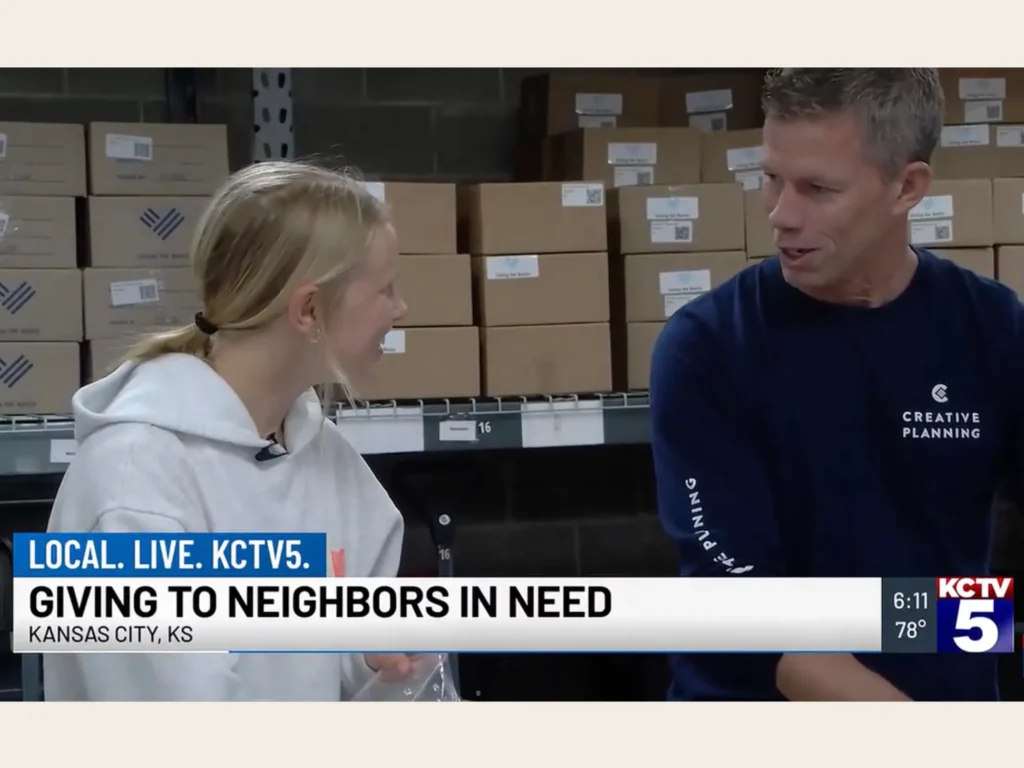
🎥 Watch the story from KCTV5 and see the impact volunteering makes.

A high school student who volunteered with us this weekend shared something simple but powerful:

“I get to help the community and others who aren’t as fortunate.”

Students understand what it means when someone their age has access to shampoo, deodorant, and other basics—and when they don’t. That’s why it’s so inspiring to see young people stepping up to support their peers.

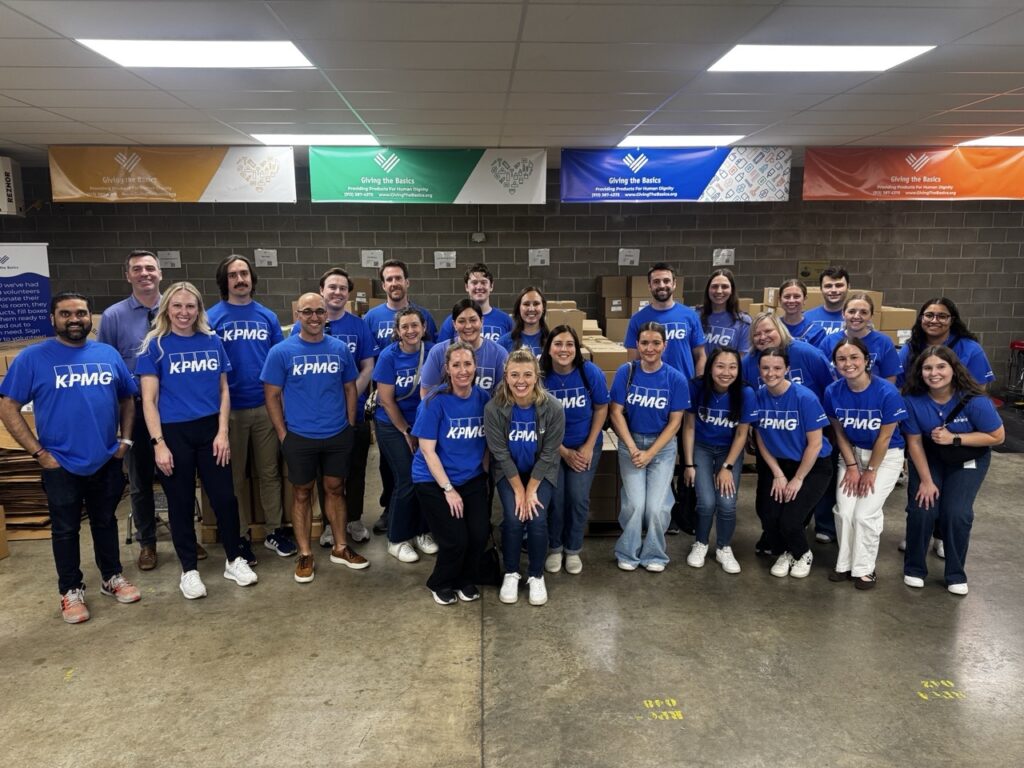
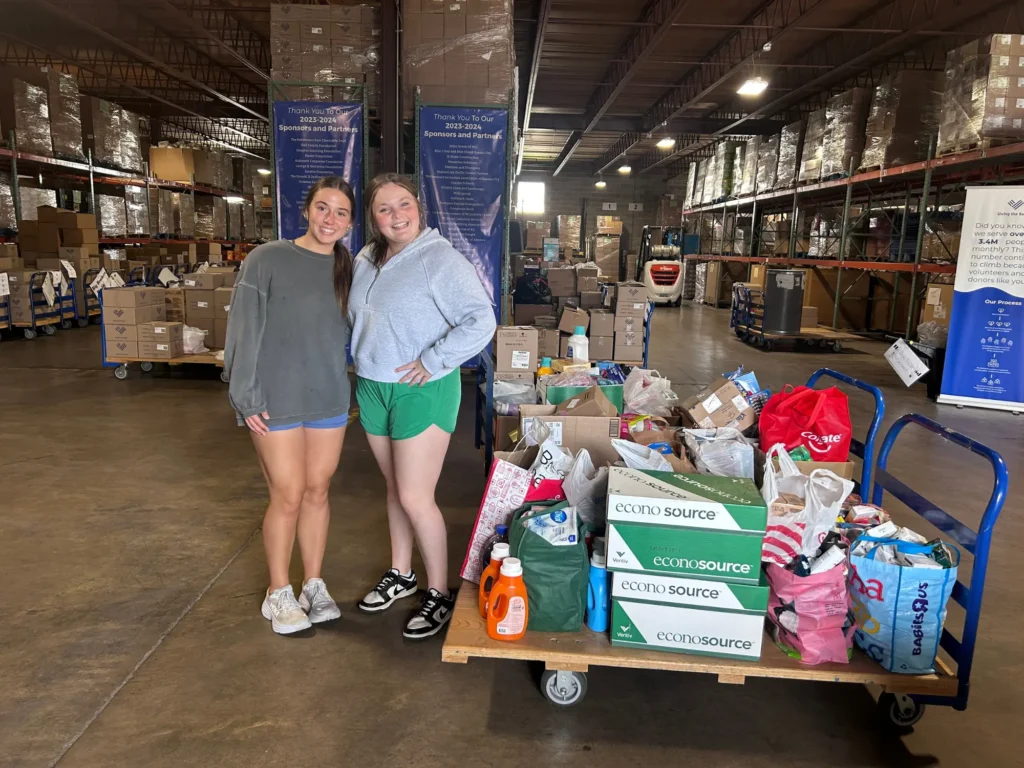
More than 100 volunteers came together to pack hygiene essentials for local families—items government assistance programs don’t cover, but students need every day to feel confident at school.

Want to be part of it? Sign up to volunteer with us.

How to Start a Community Hygiene Drive at Your School

Community Hygiene Drive

A Step-by-Step Guide to Hosting a Successful Charity Drive

Starting a charity drive at your school is one of the most impactful ways to bring students, staff, and families together while meeting a real need in your community. With the right approach, your school can help provide hygiene items for schools, ensuring students have access to the basic products they need to feel confident and ready to learn.

And the best part? What starts as a simple drive can turn into something much bigger.

A Decade of Impact: What’s Possible

At St. James Academy, a hygiene charity drive that began nearly 10 years ago as a fun competition has grown into a powerful annual tradition. Each year, students rally together to collect essential items like soap, deodorant, and shampoo, products many families struggle to afford because they are not covered by assistance programs.

One St James student shared:

“It really hit me how important these basic items are,” she said. “I’ve always had them, so it was humbling to realize not everyone does. It made me super grateful for what I have.”

The impact is real and long lasting. By pitching in, students learn what it means to look beyond themselves and care for others. It’s a powerful lesson that builds empathy, generosity and humility — all things they want their students to carry with them for life.

“The drive challenges our students to develop an outward-focused perspective, to think outside their own struggles and pay attention to the basic needs of others,” said Dr. Wendy León-Ryan, director of culture and engagement at St. James.

That’s the power of engaging students in giving back—it’s not just about the products that get donated. It’s about the ability to provide dignity and confidence to others.

Why Start a Hygiene Charity Drive?

A school-based charity drive is one of the most meaningful ways students can support other students in their own community. When schools come together to collect essential items like shampoo, soap, deodorant, and toothpaste, they help ensure that classmates and peers across neighboring districts have the basics they need to feel confident and ready to learn each day.

Access to hygiene products affects far more than physical cleanliness. Without these essentials, students may hesitate to participate in class, avoid social situations, or withdraw from activities they once enjoyed. Confidence can drop quickly when a student feels self-conscious about something they cannot control, and unfortunately, hygiene insecurity can also increase the risk of teasing, bullying, and stigma.

A hygiene charity drive helps remove these barriers in a simple but powerful way. It allows students to show up prepared, focus on learning instead of worrying about their appearance, and feel included alongside their peers. Just as importantly, organizing a drive teaches participating students the value of empathy, teamwork, and service. It creates a shared opportunity to look beyond themselves and recognize how small actions, like donating a single item, can make a lasting difference in someone else’s day.

When schools lead efforts like this, they don’t just collect products, they build stronger communities and help ensure every student has the chance to walk into class with confidence.

Step-by-Step: How to Start a Charity Drive at Your School

  1. Partner with a Trusted Organization

    Work with a group like Giving the Basics to ensure donations are distributed effectively to local students and families. Sign up for a Giving the Basics Drive.

  2. Choose What to Collect

    Often, groups enjoy assembling hygiene kits for schools because it feels hands-on and personal. While the intention is wonderful, pre-packed kits aren’t always the most effective way to get the right products to the students who need them most. Needs vary from school to school. Some may urgently need deodorant, while others need laundry detergent or feminine hygiene products.

    Instead of hygiene kits, focus on high-need essentials like:

    • Shampoo
    • Deodorant
    • Soap
    • Toothpaste & toothbrushes
    • Laundry detergent
    • Feminine hygiene products
  3. Set a Clear, Motivating Goal

    Give your charity drive a target:

    • Collect 10,000 items
    • Support 200 students with hygiene kits

    Clear goals create excitement and help track success.

  4. Create a School-Wide Competition

    One of the biggest reasons St. James’ drive has been so successful? Friendly competition.

    Try:

    • Grade vs. grade challenges
    • Homeroom competitions
    • Clubs or teams competing

    Incentive Ideas:

    • Dress-down day
    • Extra recess or free period
    • Pizza party
    • School-wide recognition or trophy

    At St. James, students even earned points toward their school-wide “Thunder Cup,” making participation fun and meaningful.

    Competition drives engagement and turns your charity drive into something students want to be part of.

  5. Promote Your Drive Effectively

    Promotion is key to a successful charity drive.

    Use multiple channels:

    • Morning announcements
    • School newsletters
    • Social media posts
    • Posters and flyers in hallways
    • Emails to parents

    Messaging tips:

    Keep it simple and impact-focused:

    • Help provide hygiene items for schools in our community.
    • Every item helps a student feel confident at school.

    You can also share real stories, provided by Giving the Basics, to make the need more tangible.

  6. Make It Easy to Participate

    The easier it is to give, the more successful your drive will be.

    Offer:

    • Clearly labeled donation bins
    • A simple list of requested items
    • An online donation option
  7. Celebrate and Share the Impact

    At the end of your charity drive, celebrate what your school accomplished:

    • Total items collected
    • Total dollars raised
    • Winning grade or team

    At St. James, students collected 17,784 items, a powerful example of what’s possible when a community comes together.

    Celebrating success builds pride and often turns a one-time drive into a lasting tradition.

Start Your Hygiene Drive Today

Your school has the power to make a real difference.

By organizing a charity drive and helping provide hygiene items for schools, you’re not just collecting items, you’re restoring dignity and creating opportunity for students in your community.

Start small. Make it fun. Build momentum.

You never know, your drive could become the next decade-long tradition that changes lives.

Learn more and sign up here: https://givingthebasics.org/host-a-dignity-drive-kc/

How Hygiene Poverty Impacts Job Seekers

Hygiene Poverty Job Seekers

How a Hygiene Charity Helps Remove Barriers to Employment

For many job seekers, preparing for an interview means reviewing a resume, practicing answers, and choosing professional clothing. But for millions of Americans, there is another challenge that often goes unseen: access to basic hygiene products.

Soap. Shampoo. Deodorant. Laundry detergent.

These everyday essentials play a significant role in how people present themselves professionally. Yet for families experiencing financial hardship, these items can be difficult to afford. That is where a hygiene charity like Giving the Basics steps in – helping ensure that access to hygiene does not become a barrier to employment.

What Is a Hygiene Charity?

A hygiene charity is a nonprofit organization dedicated to ensuring people have access to essential personal care products that support health, dignity, and daily living.

While food banks address hunger, hygiene charities address another critical but often overlooked need: hygiene poverty. Many essential items – such as soap, shampoo, deodorant, toothpaste, and feminine hygiene products – are not covered by government assistance programs like SNAP. That means families facing financial hardship must purchase these items out of already stretched household budgets.

Hygiene charities help bridge this gap by collecting and distributing essential products through community networks such as:

  • Schools
  • Food pantries
  • Shelters
  • Senior centers
  • Community service organizations

By partnering with these trusted local organizations, hygiene charities ensure products reach people where they already seek support. The goal is simple but powerful: to make sure no one has to go without the basics needed to feel clean, confident, and respected.

The Overlooked Barrier: Hygiene Poverty

Hygiene poverty affects millions of Americans every year. According to the U.S. Census Bureau, 35.9 million Americans (10.6% of the population) lived in poverty in 2024. For households struggling to cover housing, food, and utilities, hygiene products often fall lower on the priority list.

Unlike groceries, many essential hygiene items – such as shampoo, deodorant, soap, and toothpaste – cannot be purchased with SNAP benefits. As a result, families must stretch already limited budgets to cover products that most workplaces consider basic expectations.

This gap is exactly why hygiene charities exist: to ensure that people do not have to choose between paying rent and maintaining personal hygiene.

Why Hygiene Matters in the Job Search

When someone is preparing for a job interview, confidence plays a critical role. Feeling clean and well-groomed allows candidates to focus on their skills and experience instead of worrying about their appearance.

Without access to hygiene products, job seekers may face challenges such as:

  • Wearing clothing that has not been washed due to lack of laundry detergent
  • Walking into interviews without deodorant after commuting
  • Feeling self-conscious about personal appearance or hygiene

These concerns can increase stress and anxiety during interviews, making it harder to perform well or communicate effectively.

For many people experiencing financial hardship, access to hygiene products provided through a hygiene charity can make the difference between walking into an interview with confidence – or not pursuing the opportunity at all.

Hygiene and Workplace Success

The need for hygiene products does not end once someone gets hired.

Maintaining employment often requires:

  • Clean uniforms or work clothing
  • Daily grooming and hygiene
  • Meeting workplace appearance standards

Without reliable access to hygiene essentials, individuals may struggle to keep up with these expectations. This means hygiene poverty can impact both job access and job retention.

By providing these essentials, hygiene charities help support long-term stability – not just short-term relief.

How a Hygiene Charity Helps Restore Opportunity

Hygiene charities play a critical role in supporting individuals who are working toward economic stability.

Access to basic hygiene products helps job seekers:

  • Feel confident during interviews
  • Meet workplace appearance standards
  • Maintain dignity and self-respect
  • Focus on building their careers instead of worrying about basic needs

These small but meaningful supports can create ripple effects that improve employment opportunities and overall well-being.

How Giving the Basics Is Addressing Hygiene Poverty

As a leading hygiene charity, Giving the Basics works to ensure that essential hygiene products reach individuals and families who need them most.

Through partnerships with schools, food pantries, shelters, and community organizations, Giving the Basics distributes millions of hygiene products each year, including:

  • Shampoo
  • Soap
  • Deodorant
  • Toothpaste
  • Laundry detergent
  • Feminine hygiene products

This hygiene hub model allows donations to move efficiently from community supporters to people who rely on these essentials every day.

For someone preparing for a job interview or starting a new job, these products can restore confidence and remove a barrier that might otherwise stand in their way.

More Than Hygiene – It Is About Dignity

A bottle of shampoo may seem small. A stick of deodorant may seem ordinary.

But for someone trying to secure employment, these products can represent something much bigger: dignity, confidence, and the ability to pursue opportunity.

Every time a hygiene charity provides these essentials, it helps ensure that individuals are not held back by something as basic as access to soap or laundry detergent.

Because when people have the basics, they can focus on building a better future.

Learn more about hygiene poverty and how you can help: givingthebasics.org

Corporate Social Responsibility in Action

Corporate Social responsibility February 2026

How Corporate Volunteering in February Helped Fight Hygiene Poverty

Corporate Social Responsibility (CSR) is more than a statement on a website or a line in an annual report. At its best, it’s a lived commitment – one that strengthens communities while deepening purpose within organizations.

This February, we saw Corporate Social Responsibility in action.

  • 178 volunteers
  • 13 corporate groups
  • 152,802 hygiene items packaged

That’s 152,802 essentials that will go directly to local schools and community partners – ensuring students and families have access to the basics many of us take for granted.

But the impact goes beyond the numbers.

Why Corporate Involvement Matters in the Fight Against Hygiene Poverty

Hygiene poverty affects attendance, confidence, workforce readiness, and mental health. When students lack access to soap, deodorant, shampoo, or feminine hygiene products, it doesn’t just impact cleanliness – it impacts dignity.

Corporate volunteerism gives companies a tangible way to address this critical need while aligning with Corporate Social Responsibility goals focused on:

  • Community investment
  • Employee engagement
  • Health equity
  • Education support
  • Workplace dignity

And often, the impact starts closer to home than companies expect.

“When we first started volunteering for Giving the Basics, it opened our eyes to our own team members. Shortly after, we started offering the basics to our team and we were shocked how often there was a need to replenish. Giving team members pride and dignity was very meaningful.”

Transforming Workplace Culture

Corporate Social Responsibility doesn’t just change external communities. It can transform workplace culture.

Today’s workforce – particularly emerging professionals – increasingly chooses employers based on purpose and values alignment. Corporate volunteer programs that address tangible, local needs like hygiene poverty:

  • Increase employee morale
  • Strengthen cross-department relationships
  • Boost retention
  • Reinforce company mission
  • Build pride in the workplace

When employees see their company actively restoring dignity in the community, it fosters loyalty and shared purpose.

That’s not just good Corporate Social Responsibility. That’s good business.

The Real Stories Behind the Service

Volunteering often becomes personal. Many corporate team members in February shared that this issue resonates deeply with their own experiences.

From Harrah’s KC

“I can’t imagine the sadness of a child in school who is being made fun of and bullied simply because of their smell. I hope that the soap we have prepared will help at least one child to not feel that pain and rejection. For just that one child – that time and effort was worth it.”

“My daughter’s teacher has to remind the class about hygiene because tween kids can smell if not maintaining it. I can’t imagine how hard it would be as a kid hearing those reminders knowing there’s no way to remedy it.”

From Devoted Health

“I have known many people without the basics and it affects them deeply socially which ripples out into the rest of life. I remember a girl on my bus who never had the basics or anyone to sit with.”

“As a retired 8th grade teacher, I’ve purchased hygiene products my entire career for students. THANK YOU for doing this.”

From KU Health Systems

“I was once a kid whose family did not always have the basics. While the experience was tough, it impacted my career of being a social worker to help others experiencing the same. I remember being bullied, made fun of, being hungry and sometimes sick. Being able to volunteer today and help others gives me so much joy because we all are worthy and deserve being seen, respected, heard, loved and having the basics.”

“I have been one that was in need! I know what it’s like to feel like you have to choose toiletries or food/rent.”

These aren’t abstract issues. Hygiene poverty is personal – and corporate volunteers are often closer to the experience than they realize.

How Corporate Groups Can Get Involved

  1. Volunteer Packaging EventsBring your team onsite to package hygiene kits that go directly to local schools and partners. It’s high-energy, hands-on, and measurable. Sign Up Here.
  2. Participate in Spring ShowersOur annual Spring Showers Hygiene Drive invites companies to rally employees around a shared goal of providing essential items to local students. It’s a simple, engaging way to activate your Corporate Social Responsibility strategy during April – with built-in resources, team tracking, and measurable impact.Learn more about Spring Showers
  3. Host a Product DriveMobilize employees to collect essential items like deodorant, shampoo, soap, and feminine hygiene products. Learn More.
  4. Get Involved in an EventGiving the Basics offers multiple events throughout the year for your team to work together to support families and students in need. From golf tournaments to volunteer competitions, there are multiple ways to make a difference. Learn More.
  5. Offer Workplace Hygiene SupportAs some corporate partners discovered, hygiene insecurity can impact employees, too. Companies can integrate internal hygiene access as part of employee wellness initiatives.

The Ripple Effect of Corporate Volunteering

When corporate teams volunteer:

  • Students gain confidence.
  • Attendance improves.
  • Bullying decreases.
  • Families feel relief.
  • Employees feel purpose.
  • Workplace culture strengthens.

Corporate Social Responsibility becomes more than compliance or branding – it becomes transformation.

Thank You to Our February Corporate Groups!

February proved what’s possible when companies lean into Corporate Social Responsibility with intention.

178 volunteers.

13 corporate groups.

152,802 hygiene items.

And thousands of students who won’t have to go without thanks to these wonderful groups:

Join the Movement

If your organization is looking for a meaningful way to activate your CSR strategy, we’d love to partner with you.

Because everyone deserves the basics – at school, at work, and in life.

Get started at https://givingthebasics.org/.

Inside America’s Hygiene Hub

Inside America's Hygiene Hub - Giving the Basics

How Donations Reach People in Need

Every bar of soap.
Every stick of deodorant.
Every bottle of shampoo.

Before it reaches a student preparing for school, a parent heading to work, or a senior living on a fixed income, it moves through a powerful system designed to maximize dignity and impact.

Welcome inside America’s Hygiene Hub.

What Is a Hygiene Hub?

A hygiene hub represents the most comprehensive approach to addressing hygiene poverty. It combines:

  • Large-scale collection and distribution
  • Corporate and community partnerships
  • Centralized warehousing
  • Volunteer-powered fulfillment
  • Advocacy and awareness efforts

At the center of this model is Giving the Basics, working with more than 2,500 partner locations across the country.

Our hygiene hub model allows millions of products to move efficiently from donor to doorstep — ensuring families, children, and seniors receive essential hygiene items with dignity.

Two Types of Donations. One Powerful Impact.

There are two primary ways donations flow into the Hygiene Hub: product donations and financial donations.

Hygiene Hub Donations

Hygiene Hub Financial Donations

Both follow a thoughtful, efficient path designed to maximize every gift.

How Product Donations Reach People

Product donations come from:

  • Individuals giving directly
  • Community product drives
  • Corporate partners donating bulk or surplus inventory

How product donations reach those in need

When products arrive at the Hygiene Hub, they are delivered to our warehouse where scale and systems allow us to efficiently process large quantities. From there, dedicated volunteers sort donations by type — shampoo, deodorant, soap, toothpaste, feminine hygiene items, and more — ensuring everything is organized and ready for distribution. Items are then packed into standard quantities to promote fairness and consistency across communities.

Our local partners — including schools, food pantries, and senior centers — place orders based on the specific needs of the people they serve, allowing for cultural sensitivity, age-appropriate distribution, and community-specific support. Volunteers carefully fill and organize each customized order, and finally, those products are placed directly into the hands of families, students, and seniors — delivered with compassion, care, and dignity.

How Financial Donations Multiply Impact

Financial donations follow a similar fulfillment path — but with one major advantage:

Buying power.

Because of bulk purchasing and corporate partnerships, the Hygiene Hub model allows us to triple the value of a financial gift compared to what an individual could purchase at retail.

When a financial gift is made, we immediately put it to work through bulk purchasing, allowing us to buy products in large quantities, lower per-unit costs, and maximize every dollar. Once the products arrive, volunteers pack items into standard quantities, preparing them for fair and efficient distribution.

Local schools and pantry partners then place orders based on real-time demand, selecting the specific products their communities need most. Volunteers carefully fill and organize each customized order, and finally, those essentials are placed directly into the hands of families, students, and seniors — ensuring dignity is delivered with every donation.

A $50 gift doesn’t act like $50 at retail.
It acts like $150 in impact.

Why the Hygiene Hub Model Works

The power of the hygiene hub comes from two forces working together:

1. Efficiency Through Scale

  • Bulk purchasing lowers costs
  • Corporate partnerships expand supply
  • Centralized warehousing streamlines logistics
  • Volunteer labor multiplies impact

2. Community Connection

  • 2,500+ partner locations nationwide
  • Schools identify students discreetly
  • Pantries understand family needs
  • Seniors receive consistent support

This balance ensures efficiency without losing the human connection.

More Than a Warehouse

A hygiene hub isn’t just a distribution center.

It represents:

  • A student avoiding embarrassment in gym class
  • A parent walking confidently into a job interview
  • A senior choosing between medication and soap — and not having to

Every donation enters a system designed not just for movement, but for dignity.

Your Role in the Hygiene Hub

Whether you:

You become part of a national movement ensuring hygiene essentials are treated as necessities, not luxuries.

Inside America’s Hygiene Hub, every gift moves with purpose.
And every product carries dignity with it.

Corporate Volunteering Trends for 2026

Corporate Volunteers February 2026
Why Companies Are Investing in People and Purpose

As we plunge forward into 2026, corporate volunteering continues to evolve from a “nice-to-have” perk to a strategic cornerstone of workplace culture. Across industries, companies are deepening their commitment to community engagement, not just through financial support, but by encouraging hands-on participation that benefits both employees and the communities where they live and work.

At Giving the Basics, we’re seeing this shift firsthand.

1. Volunteerism Is on the Rise and More Personal Than Ever

Corporate volunteering participation continues to grow year after year. According to the Association of Corporate Citizenship Professionals (ACCP), 77% of companies reported increased employee engagement in volunteer activities in 2024 (accp.org), continuing a multi-year upward trend. This growth reflects more than participation, it reflects connection.

That personal connection was evident during January volunteer shifts at Giving the Basics.

“There was a point in my youth when I didn’t have the basics. It was embarrassing and hard to be around others. Doing this makes me appreciate that one less person will be like that.”
— Children’s Hospital Association Volunteer

As companies expand volunteer programs in 2026, many are prioritizing experiences that allow employees to see themselves—and their stories—reflected in the work.

2. Employees Are Seeking Purpose, Not Just Participation

Research from platforms like Benevity shows significant growth in corporate volunteering, with global employee participation rates rising 57% year-over-year and volunteer hours increasing as well. Employees increasingly want opportunities that feel meaningful, human, and aligned with their values.

That desire for purpose came through clearly from our January volunteers:

“Having known and grown up with many families who could have had their worlds changed by a resource like this, and having my wife teach many kids who would love to not have to worry about something this simple, I’m incredibly grateful for this place and what you do for families and communities.”
— Bernstein-Rein Advertising Volunteer

For many employees, volunteering is no longer just about giving time—it’s about addressing real barriers and restoring dignity in tangible ways.

3. Corporate Volunteering as a Strategic Culture Builder

Corporate volunteer programs are about more than hours logged—they build tangible connection. Benevity data shows that companies that actively promote volunteering initiatives empower more employees to participate, with flexible and team-based opportunities driving deeper engagement. This philosophy plays out in workplaces across the country, where employees increasingly report that structured volunteer opportunities not only enhance community impact but also promote team cohesion and strengthen employee satisfaction.

But beyond metrics, volunteers are looking for experiences that feel thoughtfully designed and genuinely impactful.

“I am so impressed by the visionary minds who saw this need but also orchestrated a beautiful way for many hands to contribute in meaningful ways.”
— Bernstein-Rein Advertising Volunteer

This reflects a growing trend for 2026: employees want to know their time matters—and that nonprofits are creating systems that allow them to contribute effectively.

4. Team-Based Volunteering Continues to Grow

Team volunteering remains one of the most effective ways to engage employees. Serving alongside coworkers builds relationships, creates shared memories, and reinforces company culture, while also increasing the likelihood that volunteers will return.

“I have volunteered here before and loved it. I’m positive I will be back because this work is so important.”
— Bernstein-Rein Advertising Volunteer

As companies plan for 2026, repeatable, team-based volunteer experiences are becoming a cornerstone of strong corporate engagement strategies.

January at Giving the Basics: Trends in Action

Corporate volunteering trends aren’t just data points—they’re people showing up. In January 2026, 217 volunteers from 12 companies joined Giving the Basics to help prepare and distribute hygiene essentials to students, families, and seniors across our community. Together, they helped ensure that thousands of individuals had access to the basics they need to feel clean, confident, and dignified.

These experiences demonstrate how corporate volunteering can strengthen workplace culture, create meaningful employee experiences, and deliver measurable community impact.

Here’s a look at some of the companies who showed up for dignity in January:

Looking Ahead in 2026

As we move further into 2026, the future of corporate volunteering is clear. Companies that prioritize purposeful, hands-on service, especially in partnership with trusted nonprofits, are investing not only in their communities, but in their people.

At Giving the Basics, we are grateful for the companies and volunteers who show up, share their stories, and help ensure that no one has to go without the basics. Together, we’re building a future where dignity is not a privilege, but a given.

Sign up to volunteer

How to Host a Winter Hygiene Drive

Winter Hygiene Drive

Winter can be one of the hardest times of year for families struggling to afford everyday essentials. Cold weather, rising utility bills, and tight budgets often force hygiene products to the bottom of the priority list. Hosting a winter hygiene drive is a powerful way to support students and families in need—and with the right planning, it can also be fun, engaging, and incredibly impactful.

At Giving the Basics, we make it easy for schools, churches, businesses, and community groups to turn generosity into real, usable support through our hygiene hub. Here’s a step-by-step guide to hosting a successful hygiene drive this winter.

Step 1: Sign Up to Host Your Hygiene Drive

Start by signing up to host a drive.

We strongly recommend hosting a hybrid hygiene drive—combining physical product donations with online giving. This gives supporters multiple ways to participate and ensures you can collect the products that are needed most. Pro tip: set a clear start and end date (2–4 weeks works well) and name your drive to create ownership and excitement.

Step 2: Use the Tools We Provide

Once you sign up, Giving the Basics will support you every step of the way. We’ll provide flyers and posters, social media images and captions, email copy to share with your network, and a donation barrel if needed. These tools help your hygiene drive look polished and professional, and save you time.

Make it fun by customizing flyers with your group’s logo, creating a theme such as Winter Warmth, Clean Start, or Fresh for the New Year, and using a goal thermometer graphic to track progress.

Step 3: Rally Your Community

Now it’s time to spread the word. Invite your school, church, club, workplace, or organization to get involved and donate hygiene products to help students and families in need.

Ways to boost participation include turning it into a friendly competition between classrooms, departments, or teams, offering small incentives like a jeans day, pizza party, or bragging rights, sharing stories about why hygiene access matters, and highlighting specific products needed such as deodorant, laundry detergent, or feminine hygiene items. People are more likely to give when they understand why their donation matters.

Step 4: Promote, Promote, Promote

The most successful hygiene drives share their message often and in multiple ways. We recommend posting regularly on social media with countdowns, reminders, and impact stats, sending at least two to three emails during the drive, hanging flyers in high-traffic areas, and making announcements at meetings, services, or assemblies.

When donors give online, they can enter your group’s name at checkout, allowing us to track your total impact. Even better, because of our bulk purchasing power, online donations are tripled in value, ensuring every dollar goes further.

What Happens After You Donate?

After your hygiene drive wraps up, your donations move through our hygiene hub,where they are sorted, organized, and distributed directly to schools and partner agencies that have requested those specific products. This system ensures donated items are used quickly, efficiently, and where they’re needed most, with minimal waste and maximum impact.

Next Step: See Your Impact in Action

Want to take your hygiene drive one step further? Schedule a volunteer shift after your drive ends.

Volunteering at our hygiene hub allows your group to see how donations are processed, understand how schools and families access products, and experience the impact of your generosity firsthand. It’s a meaningful way to close the loop and celebrate what you accomplished together.

Host a Winter Hygiene Drive That Makes a Difference

Hosting a winter hygiene drive is more than collecting products, it’s about restoring dignity, building community, and showing students and families they are supported. Whether you’re a school, business, church, or community group, Giving the Basics is here to make your hygiene drive easy, impactful, and rewarding.

Ready to get started? Sign up today.

How CSR Programs Can Reduce Employee Burnout

Corporate Social Responsibililty

In today’s fast-paced work environment, employee burnout is a major challenge for organizations. Emotional exhaustion, reduced personal accomplishment, and depersonalization affect individual well-being and can undermine productivity, retention, and long-term organizational success, as shown in research on occupational burnout and mental health.

Thoughtfully designed Corporate Social Responsibility (CSR) programs, like those that connect employees to Giving the Basics, can be a powerful lever to improve employee well-being while driving measurable corporate impact in the community.

The Link Between CSR and Employee Well-Being

CSR programs are more than feel-good initiatives—they influence employees’ perceptions of purpose, engagement, and connection to their employer. When employees see their company investing in social responsibility through partnerships with organizations that help the community, they often report higher morale, stronger organizational pride, and deeper alignment with company values, supported by sustainability research on CSR and employee engagement.

Engaging with Giving the Basics allows employees to make a real difference in the lives of families who lack access to essential hygiene products. This sense of purpose helps reduce chronic stress and supports employees in bringing “their whole selves” to work, a connection reinforced by studies linking meaningful work to lower burnout.

CSR Reduces Stress and Improves Mental Health

Evidence shows that CSR can actively reduce stress and burnout by promoting a supportive workplace culture. Programs that integrate community engagement and volunteer opportunities—such as organizing hygiene product drives or volunteering with Giving the Basics—boost employee satisfaction and mental well-being, according to research on employee volunteer programs.

Participating in these initiatives reminds employees they are part of something larger than day-to-day tasks, reinforcing a sense of accomplishment and reducing stress. CSR programs with hands-on opportunities, like packing hygiene kits or distributing products through Giving the Basics, also enhance psychological safety, as explored in recent social science research on workplace well-being.

CSR Programs Enhance Engagement, Satisfaction & Retention

Engagement matters: companies with high employee engagement see measurable gains in performance and retention, with employees who participate in CSR and volunteer activities frequently demonstrating heightened involvement and organizational commitment, supported by studies on CSR participation and organizational commitment.

CSR initiatives such as employer-supported volunteering, corporate giving, and community partnerships contribute to:

When organizations include CSR as part of their culture—not just an annual report checkbox—it sends a clear message: your well-being matters here.

Participating in Purpose-Driven Events Amplifies CSR Impact

One of the most effective ways CSR programs reduce employee burnout is by offering clear, time-bound opportunities for participation. Events give employees a tangible way to engage—without adding long-term workload or decision fatigue.

At Giving the Basics, companies can engage employees through seasonal and team-based initiatives that are easy to join and deeply meaningful:

  • Spring Showers Hygiene Challenge: Employees collect or fund hygiene products and compete with like-sized teams while supporting students in need.
  • Soap and Hope Showdown: A friendly, hands-on volunteer competition that strengthens collaboration and morale, while directly benefiting the community.
  • Hygiene for the Holidays: Year-end giving initiatives reduce stress and provide employees meaningful ways to give back, with measurable impact.

The Added Power of Sponsorship

Beyond participation, companies can sponsor Giving the Basics events to reinforce corporate impact while gaining visibility. Sponsorship:

  • Signals leadership commitment to employee well-being
  • Strengthens organizational pride and trust
  • Shows employees their company invests in meaningful community impact

Turning CSR into a Burnout-Reduction Strategy

CSR initiatives are most effective when accessible, participatory, and values-aligned. Partnering with Giving the Basics through donations, product drives, volunteering, event participation, or sponsorship allows employees to step outside daily pressures and reconnect with purpose.

This combination of teamwork, purpose, and community impact is a proven way to reduce burnout while amplifying corporate responsibility and employee engagement.

Call to Action

Organizations looking to strengthen Corporate Social Responsibility while supporting employee well-being can partner with Giving the Basics in several meaningful ways:

By taking these steps, your organization creates lasting corporate impact for employees, families, and the broader community.

What Schools Really Need: Top 7 Most Requested Hygiene Items

Hygiene Products Schools Need Most

School should be a place where students learn, connect, and grow — not a place where basic hygiene needs become barriers to attendance, dignity, confidence, and success. But for many students, access to everyday hygiene essentials isn’t a given. Rising costs and limited resources can make products like deodorant, toothpaste, or menstrual care items feel like luxuries rather than necessities — and that can affect everything from attendance and participation to self-esteem and health.

At Giving the Basics, we partner with schools year-round to provide essential hygiene products tailored to what students actually need, not one-size-fits-all hygiene kits. By allowing schools to order products specific to their students’ needs, we help schools reduce waste and increase impact.

According to global data from the World Health Organization and UNICEF, basic hygiene access,  even handwashing soap, remains a challenge in school settings, with hundreds of millions of children lacking basic hygiene services at school. (UNICEF) Ensuring students have appropriate supplies helps schools support attendance, health, confidence, and academic success.

Here are the top 7 hygiene items most requested by schools, and why they matter:

1. Feminine Hygiene Items — 103,110 per month

Feminine hygiene products are essential for students to feel comfortable, stay in class, and participate fully. Research shows many students who don’t have access to menstrual products may miss school, experience shame, or face distraction during class. (PubMed)

That’s why feminine care items are the most requested product we fulfill for schools — over 103,000 per month. Providing access removes a barrier that disproportionately affects girls and promotes dignity and inclusion.

As one school administrator shared:

“These products are used daily in our restrooms and locker rooms—especially deodorant and feminine hygiene items. We’re continually amazed by how much students rely on them.”

2. Laundry Sheets — 56,073 per month

Clean clothes are tied directly to confidence and attendance. Students without access to laundry facilities or detergent may arrive to school feeling self-conscious or uncomfortable, and studies show a lack of clean clothing is connected to higher absenteeism and reduced participation. (Houston Lone Star DB)

That’s why laundry sheets are one of the most requested products we deliver — over 56,000 each month — helping students feel confident and ready to engage in school.

3. Deodorant — 14,641 per month

Body odor insecurity is more than a comfort issue; it impacts self-confidence, peer interaction, and the likelihood of attending school regularly. When students have access to deodorant through their school, it reduces stigma and helps eliminate excuses for absenteeism.

4. Toothbrushes — 11,635 per month

Oral care affects both health and confidence. Tooth decay is the most common chronic condition among school-aged children in the U.S., and students without basic tools like toothbrushes are more likely to experience pain, distraction, and missed days in school. Regular access to toothbrushes helps address this preventable problem.

5. Toothpaste — 10,600 per month

Toothpaste goes hand-in-hand with toothbrushes to support oral health. Without it, even children with good intent and habits can’t maintain clean teeth. Providing toothpaste through schools helps normalize daily oral care and improves overall student health.

6. Shampoo — 10,158 per month

Clean hair isn’t just about appearance — it’s linked to personal comfort and confidence in social settings. Students who feel clean are more likely to focus on learning and less likely to avoid school due to embarrassment.

7. Soap — 6,443 per month

Soap is foundational to good hygiene. Beyond preventing illness, access to soap supports handwashing routines that reduce sickness spread and bolster student attendance. Even globally, lack of basic hygiene supplies like soap and water in schools affects millions of children’s participation in education. (UNICEF DATA)

Why “Hygiene Kits for Schools” Aren’t Always the Answer

You may see hygiene kits for schools everywhere, but pre-packaged kits often include items schools don’t need or can’t use, leading to wasted products and unmet needs.

Instead, Giving the Basics allows schools to order the specific products their students request, ensuring that every item delivered — from laundry sheets to feminine care — is something the school will actually use. This tailored approach maximizes limited resources, reduces waste, and respects school staff time.

Whether a counselor, nurse, librarian, or teacher is distributing items discreetly or through a school closet, schools know exactly what they need — and we help make it happen.

How Giving the Basics Fills the Need

Giving the Basics partners with hundreds of schools across Kansas and Missouri to provide monthly orders of core hygiene products that matter most. Schools tell us these items do more than keep students clean — they help students:

  • Show up to class with confidence
  • Participate without embarrassment
  • Focus on learning, not survival
  • Feel valued and cared for

For many students, knowing there’s something they can access discreetly at school changes the way they experience their day.

A Call to Support Schools and Students

Hygiene poverty doesn’t take a break just because school is in session — and neither should our support. Whether you’re a teacher, administrator, parent, or donor, your involvement helps ensure every student has access to what they need to show up, learn, and thrive.

Support Giving the Basics today — help provide the products that make dignity possible for students across your community.