A truckload of hygiene products can do more than fill warehouse space. It can reduce waste, strengthen communities, improve ESG performance, and create lasting business value.

Joe Creedon
Product Procurement | Giving the Basics
Joe Creedon leads product procurement for Giving the Basics, building partnerships with manufacturers, retailers, and corporate donors to secure millions of hygiene products each year. His work helps transform excess inventory into essential resources that strengthen communities while reducing waste.
When most people think about product donations, they picture a collection box in an office lobby or a community drive filled with individually purchased items.
Those efforts matter. They raise awareness, engage employees, and provide much-needed products to local organizations.
But when it comes to meeting hygiene needs at scale, there’s another approach that creates exponentially greater impact.
Bulk product donations.
Every year, manufacturers and retailers identify high-quality products that can no longer be sold through traditional channels. The reasons vary, from packaging updates and customer-specific overruns to discontinued product lines or inventory with a shorter commercial shelf life, but one thing remains the same: the products are safe, usable, and capable of making a tremendous difference.
The question isn’t whether these products still have value.
It’s how that value can be unlocked.
At Giving the Basics, we’ve seen firsthand how bulk product donations create benefits that extend far beyond charitable giving. They help companies reduce waste, improve operational efficiency, advance sustainability goals, and most importantly, ensure millions of essential hygiene products reach families who need them.
Here’s why bulk product donations create more impact than traditional product drives, and why more companies are making them part of their business strategy.
More Products. More People. More Impact.
Traditional product drives play an important role in engaging employees and raising awareness. They bring people together around a shared cause and often introduce new supporters to the mission of addressing hygiene poverty.
But they also have limitations.
Product drives typically generate a wide variety of items in different brands, sizes, and quantities. While every donation is appreciated, collecting, sorting, and managing thousands of individual donations takes significant time and resources.
Bulk product donations work differently.
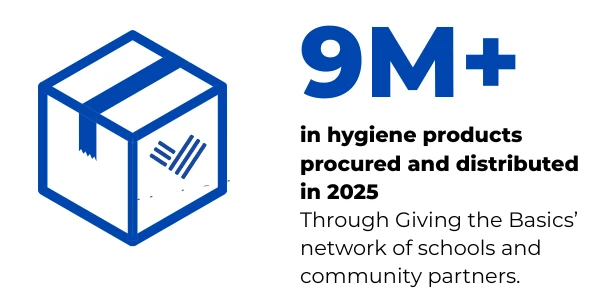
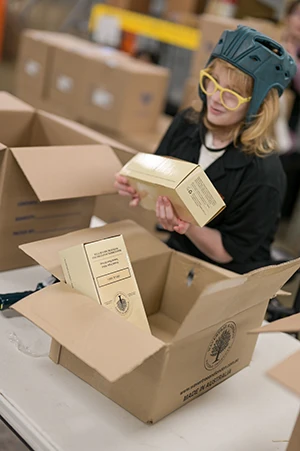 Instead of collecting one bottle of shampoo at a time, manufacturers and retailers can donate thousands of identical products in a single shipment. Those products arrive ready to be inventoried, stored, and distributed through Giving the Basics’ network of schools and community partners.
That consistency creates efficiency at every step of the process.
Volunteers spend less time sorting and more time preparing orders. Community partners receive products they know they can distribute effectively. Families gain access to reliable supplies of the everyday essentials they need.
Most importantly, bulk donations allow manufacturers to move thousands of products through an established distribution network, reaching communities at a scale individual product drives simply can’t match.
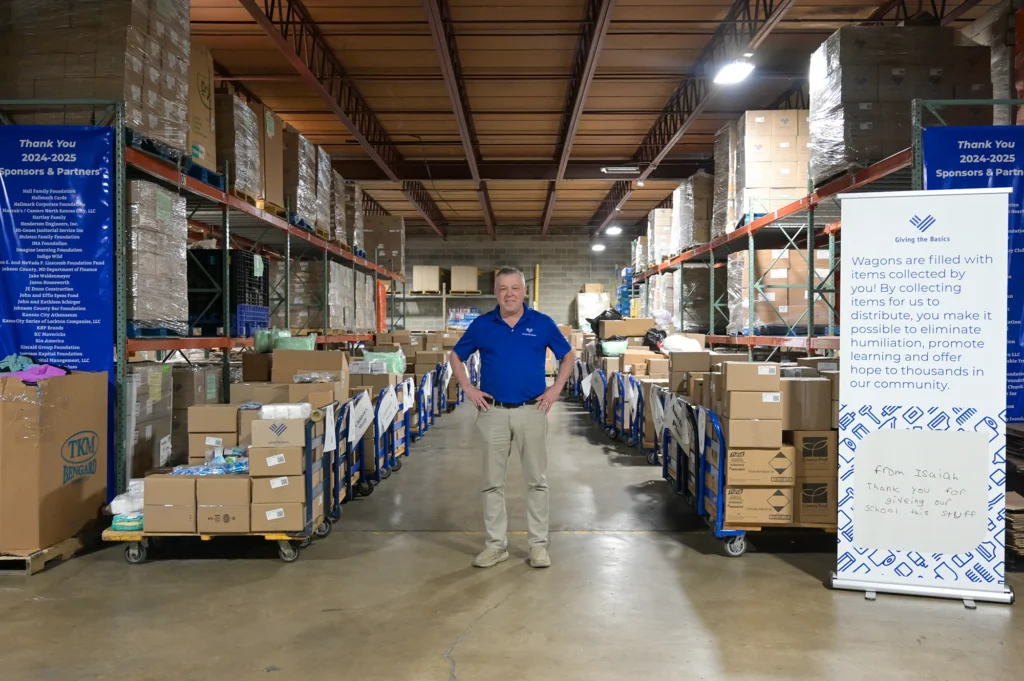
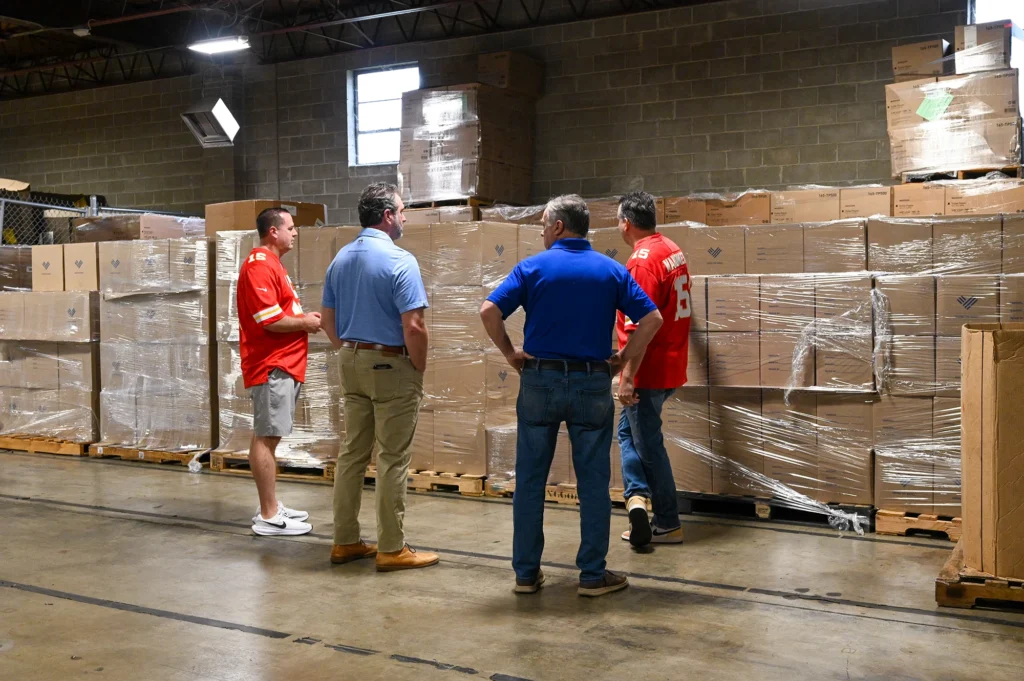
One truckload can support hundreds of schools, dozens of nonprofit organizations, and thousands of families across the communities we serve. That’s the power of scale, which is why bulk product donations create exponentially greater community impact than traditional product drives.
A Smarter Solution for Excess Inventory
 For manufacturers and retailers, excess inventory is a reality of doing business.
Packaging changes.
Customer-specific production runs leave surplus inventory.
Seasonal demand shifts.
Product lines evolve.
Sometimes products remain that are perfectly safe, high quality, and fully usable, but no longer fit commercial distribution channels.
Too often, those products are viewed as a problem to solve.
Increasingly, manufacturers are recognizing that donation is a form of source reduction, the EPA’s preferred strategy for preventing waste before it enters the waste stream.
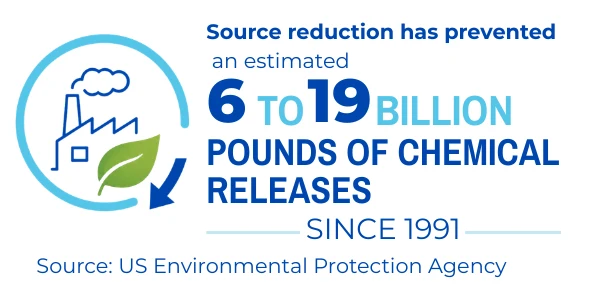
According to the U.S. Environmental Protection Agency, source reduction has prevented an estimated 6 to 19 billion pounds of chemical releases since 1991, demonstrating that keeping usable products in circulation creates measurable environmental benefits before disposal ever becomes necessary. (Source)
 At Giving the Basics, we see them as an opportunity to create lasting community impact.
Bulk product donation gives companies a practical way to recover value from excess inventory while avoiding many of the costs associated with storage, destruction, or other forms of disposal. More than a charitable decision, it is a responsible business strategy that reduces unnecessary waste, improves inventory management, frees valuable warehouse space, and ensures high-quality products continue creating value long after they’ve left the production line.
When operational efficiency and community impact work together, everyone benefits.
Supporting Sustainability and ESG Goals
Today’s manufacturers are expected to do more than produce quality products. Customers, employees, investors, and communities increasingly expect businesses to operate responsibly, reduce waste, and demonstrate meaningful social impact.
Bulk product donations help companies achieve all three.
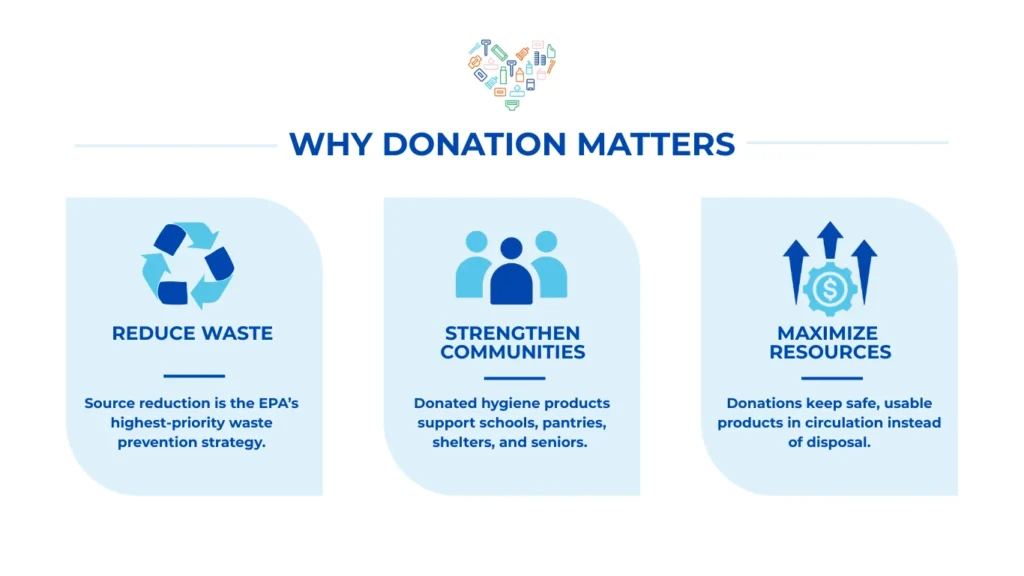
When safe, usable products are donated instead of discarded, companies extend the life of those products, reduce unnecessary waste, and maximize the value of resources already invested in manufacturing them. Donation is increasingly recognized as a practical component of sustainable materials management because it preserves the value of products while avoiding the environmental impacts associated with disposal and replacement manufacturing. (Source)
It also strengthens a company’s commitment to corporate social responsibility by creating shared value, benefiting both the business and the communities it serves. Harvard Business School’s Michael Porter and Mark Kramer argue that the greatest corporate impact comes when companies integrate social improvement into their core business operations rather than treating it solely as philanthropy. Recovering excess inventory and redirecting it to families in need is one example of how operational decisions can create measurable business and community value at the same time. (Source)
Environmental
Safe, usable products are diverted from disposal, reducing waste and making better use of resources that have already been manufactured.
Social Responsibility
Essential hygiene products reach schools, food pantries, shelters, senior centers, and other trusted community partners, helping families access products that support health, dignity, and opportunity while demonstrating a company’s commitment to the communities it serves.
Governance
Working with an experienced nonprofit partner provides accountability, transparency, and confidence that donated products are distributed responsibly and where they will create the greatest impact.
Increasingly, companies recognize that strategic product donation is more than charitable giving. It is a business practice that transforms excess inventory into meaningful community impact while strengthening corporate social responsibility, reducing waste, and creating value for both the company and the communities it serves. (Source)
The Importance of the Right Distribution Partner
Making the decision to donate products is only the first step.
Ensuring those products reach the right people quickly, responsibly, and at scale is what determines the success of the donation.
 That’s why distribution matters.
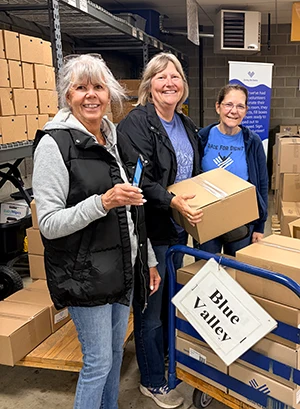
At Giving the Basics, every donation becomes part of a coordinated distribution network designed to maximize impact. Products are received, inventoried, and distributed through trusted community partners, including schools, food pantries, shelters, senior centers, healthcare providers, and other nonprofit organizations.
Because those relationships are already established, products don’t sit on warehouse shelves waiting to be claimed.
For corporate partners, that means confidence.
Confidence that products will be handled responsibly.
Confidence that donations will reach the intended communities.
Confidence that every pallet donated creates measurable impact, not only for the people receiving the products, but also for the company that chose to give.
Planning a Bulk Product Donation: Five Questions to Ask
Every company has its own inventory management processes, compliance requirements, and product considerations. Before making a bulk product donation, it’s helpful to evaluate a few key questions.
Is the product safe and usable?
Products should meet quality and safety standards and be appropriate for community distribution. Even if an item can no longer be sold through traditional retail channels, it may still have tremendous value for families in need.
How much shelf life remains?
Remaining shelf life helps determine how quickly products should move through the distribution network. Giving the Basics works with partners to ensure products can be distributed efficiently and responsibly.
Can your nonprofit partner receive products at scale?
Not every nonprofit has the warehouse space, logistics systems, or community network to manage truckloads of product. Choosing a partner with established distribution infrastructure helps ensure donations move quickly into the hands of the people who need them.
What documentation will you need?
Many companies require documentation for inventory records, ESG reporting, or potential tax purposes. Having these conversations upfront creates a smoother donation process for everyone involved. Documentation may also support inventory records, ESG reporting, and discussions with your tax advisor regarding potential charitable deductions.
Have you consulted your finance or tax advisor?
Depending on your situation, donating inventory may have financial or tax implications. Because every company is different, it’s important to work with your finance team or tax advisor to understand how charitable product donations fit within your overall business strategy.
At Giving the Basics, we work closely with manufacturers, retailers, and distributors to make the donation process as straightforward as possible. From coordinating logistics to managing product receipt and distribution, our goal is to help companies create meaningful community impact while supporting their operational and sustainability objectives.
Why Giving the Basics Focuses on Bulk Product Donations
At Giving the Basics, we believe the greatest opportunity to address hygiene poverty isn’t collecting one bottle of shampoo at a time. It’s building partnerships that move millions of essential products into communities that need them most.
That’s why bulk product donations are at the heart of our mission.
By working directly with manufacturers, retailers, distributors, and corporate partners, we’re able to recover high-quality hygiene products that might otherwise go unused and connect them with a nationwide network of trusted community organizations.
For companies pursuing sustainability goals, recovering usable products rather than discarding them reflects a growing shift toward waste prevention and resource stewardship. Organizations recognized through EPA’s WasteWise program have demonstrated that donation, reuse, and other diversion strategies can significantly reduce landfill waste while lowering operational costs and strengthening community partnerships. (Source)
This approach creates value at every level.
Companies gain an efficient solution for managing excess inventory.
Community partners receive consistent access to essential hygiene products.
Families receive the everyday items that support health, confidence, and dignity.
Partner With Giving the Basics
If your company manufactures, distributes, or sells personal care, household, or hygiene products, your excess inventory may already hold the solution to someone else’s greatest need.
Our team works with corporate partners to create donation solutions that align with operational needs, sustainability goals, and community impact objectives. From coordinating logistics to ensuring products reach trusted distribution partners, we make the process efficient, transparent, and meaningful.
Whether you’re exploring your first bulk donation or looking for a long-term product recovery partner, we’d welcome the opportunity to start the conversation.
Learn more about our Product Donation Program and discover how your products can help strengthen communities while advancing your company’s environmental and social impact.
Key Takeaways
- Bulk product donations create significantly greater impact than traditional product drives by reaching more people with greater efficiency.
- Manufacturers can reduce waste, optimize inventory, and support sustainability goals while ensuring safe, usable products continue to serve a purpose.
- A strong distribution partner is essential to moving donated products quickly, responsibly, and at scale.
- Giving the Basics connects corporate partners with thousands of schools and community organizations, turning excess inventory into health, dignity, and opportunity for families across the country.
When businesses and nonprofits work together strategically, excess inventory becomes more than a business challenge. It becomes an opportunity to strengthen communities.
That’s the power of partnership.